 YouTube
 Apple Podcasts
 Spotify
 Amazon Music


S1E10 Help us build 500 backpacks by October 31st! → https://www.carepackageinbound.com/500-backpack-challenge
----------
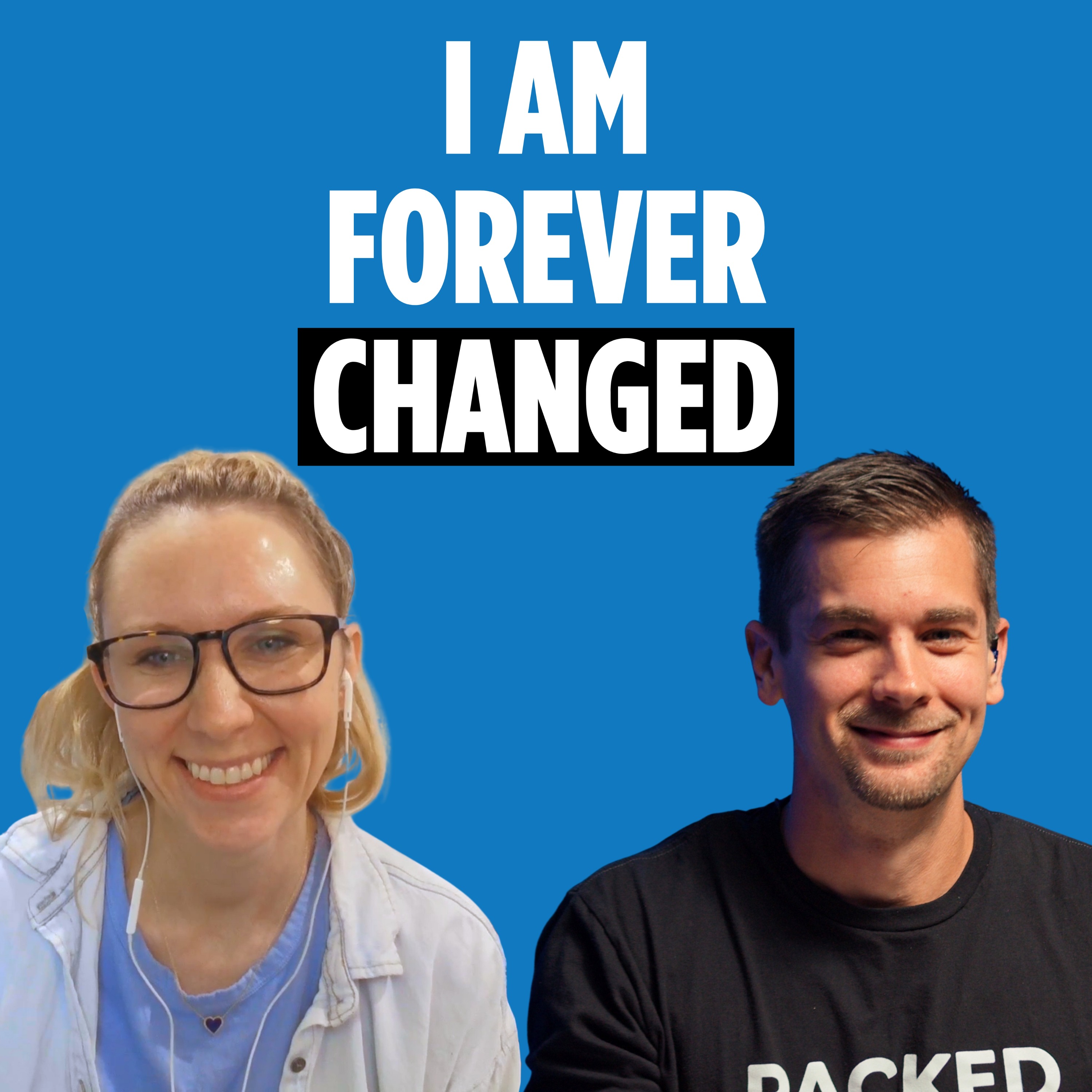
Former therapeutic foster parent Laura, the Foster Parent Partner, joins Packed With Purpose to talk about what nobody tells new foster parents: what trauma looks like at home in the first few weeks, and what to actually say when it shows up. She also shares simple ways anyone can support kids in foster care, even without fostering. Build a backpack at carepackageinbound.com.
First-Time Fostering: A Practical Guide for Supporting Kids in Foster Care by Laura the Foster Parent Partner: https://link.amazon/B0eYT1cAW
----------
Whether you’re curious about foster care, looking for ways to help, or already part of the system, this podcast will inform you, encourage you, and empower you to make a difference — one child, one story, and one moment at a time.
Subscribe so you too can be part of this movement!
----------
Get Involved:
📦 Donate items or funds: https://www.carepackageinbound.com/support-us
📧 Share your story or refer a guest: admin@carepackageinbound.com
About Care Package Inbound:
Care Package Inbound is a nonprofit organization that exists to deliver hope to children entering foster care — through intentionally packed backpacks designed to provide dignity, comfort, and belonging in the first 48 hours of care.
Packed With Purpose is their podcast — where they pull back the curtain on the why behind everything they do, and empower you to be part of the solution.
0:00 [SPEAKER_02]: I am forever changed and I'm grateful for getting to know the children, they're amazing. [SPEAKER_02]: I am in California, that's where I was a foster parent for several years, so I run a large social media platform and then I also have my book now. [SPEAKER_02]: I think that we have this kind of grand idea that if we create this warm, comforting home and have a lot of love to give, that's the job, right? [SPEAKER_00]: Well, welcome you guys to packed with purpose, a care package inbound podcast. [SPEAKER_00]: Today we have a special guest and I'm really excited to have this conversation for you guys to get to know Laura, also known as the Foster Parent Partner.
0:46 [SPEAKER_00]: Laura's actually a former therapeutic foster parent and just had a good time. [SPEAKER_00]: has a ton of knowledge when it comes to having every day conversations and really getting practical. [SPEAKER_00]: In fact, she is the author of Check This Out. [SPEAKER_00]: First time fostering an incredible book if you don't have a copy. [SPEAKER_00]: y'all need to run to Amazon and get one. [SPEAKER_00]: This book is just riddled with incredible tips and tricks. [SPEAKER_00]: We're going to talk a lot about it because it is an incredible book. [SPEAKER_00]: So, Laura, you should be really proud of it. [SPEAKER_00]: But before we jump into talking about foster care, before we jump in and talk about the book, tell us a little bit about you.
1:30 [SPEAKER_02]: Thank you. [SPEAKER_02]: And thank you so much for having me. [SPEAKER_02]: I really appreciate it. [SPEAKER_02]: And I appreciate the important work that you do is an organization. [SPEAKER_02]: So thank you. [SPEAKER_00]: Absolutely. [SPEAKER_02]: Yes, I'm Laura. [SPEAKER_02]: I'm in California. [SPEAKER_02]: That's where I was a foster parent for several years. [SPEAKER_02]: And since closing our home, I continue to make educational content to support. [SPEAKER_02]: new caregivers, whether that's foster parents, kinship providers, and any community members who are new to taking care of or supporting children impacted by foster care. [SPEAKER_02]: So I run a large social media platform, and then I also have my book now. [SPEAKER_00]: That is really cool. [SPEAKER_00]: So how long have you done the social media side of things?
2:11 [SPEAKER_02]: It's been five years. [SPEAKER_00]: Five years about, yes, that's awesome. [SPEAKER_00]: And how long ago did you become a foster parent? [SPEAKER_02]: I started my classes in 2018. [SPEAKER_02]: So pre-COVID and started fostering early 2019. [SPEAKER_02]: So yes, we started kind of being of that year for several years. [SPEAKER_02]: I think it was five or six years and through COVID and all of that. [SPEAKER_02]: So it was an interesting time to foster. [SPEAKER_00]: Absolutely. [SPEAKER_00]: Yeah, challenging time. [SPEAKER_00]: I remember that time for, I mean, even schooling for my boys was so challenging and then. [SPEAKER_02]: Every system was impacted tremendously. [SPEAKER_02]: Yeah. [SPEAKER_00]: That's a, that's a different time. [SPEAKER_00]: Glad we're past it. [SPEAKER_00]: Glad we can talk about it as being a past event and hoping we never get back there.
2:54 [SPEAKER_00]: But Lord, just kind of for our audience that may or may not know you. [SPEAKER_00]: I, I, I, I, I, I, I, I, I, I, I, I, I, I, I, I, I, I, I, I, I, I, I, I, I, I, I, I, I, I, I, I, I, I, I, I, I, I, I, I, I, I, I, I, I, I, I, I, I, I, I, I, I, I, I, I, I, I, I, I, I, I, I, I, [SPEAKER_00]: I actually think of vast majority of our audience probably does know you because you just do an incredible job on social media and having some fun conversations. [SPEAKER_00]: But tell us what led you to back in 2018 to become a foster parent. [SPEAKER_02]: Yeah, and I'm in truth, I was something that an idea that was planted within me when I was a teenager. [SPEAKER_02]: I watched a documentary or a show called The Home for the Holidays, when I was a teen. [SPEAKER_02]: It was in the years where like Celine Dion was performing. [SPEAKER_02]: And I was seeing stories about children, teens, young adults who didn't have a home to go to during the holiday break from college or, you know, didn't have stability during the holidays.
3:44 [SPEAKER_02]: and this was really my first introduction to being a foster parent and I had a lot of questions and I was really concerned and wanted to find a way to help and so, you know, went off to college, started my life, moved to California, but it was always something that I held in my heart and wanted to do. [SPEAKER_02]: So when I met my husband, one of the very first things we talked about when we were dating [SPEAKER_02]: just soon after we we got married a few years after we took our first class that's really incredible. [SPEAKER_01]: Thank you for being part of that system even like we we actually see that a lot of times where we have foster parents that come in and it's something that they've been wanting to do for such a long time and it's part of the the discussions that they have with their boy friends and girlfriends when they're dating is like hey this is on my heart.
4:35 [SPEAKER_01]: And we see the people that are really successful in being foster parents with that background. [SPEAKER_01]: Do you see that as well? [SPEAKER_02]: I do. [SPEAKER_02]: Yes. [SPEAKER_02]: I think it's something that people sit with for years. [SPEAKER_01]: Yeah. [SPEAKER_02]: Times are a little bit different and maybe they're seen or thinking about it from something they sell on social media, which is one of the reasons I'm so media focused and I love a podcast. [SPEAKER_02]: There's so many different places where people can just kind of hear something and be like, hmm. [SPEAKER_02]: Okay, that's going to sit with me for a while. [SPEAKER_02]: But yeah, I think that a lot of people spend years considering thinking and wondering before they actually start. [SPEAKER_02]: Of course, that is separate from Kinship providers who maybe have zero time to think about it and get a phone call and have to make a very quick decision.
5:22 [SPEAKER_01]: What about the people when they're in that process that thinking process or even if they're in a point that they can't actually become a foster parent? [SPEAKER_01]: Because one of the things that we talk about all the time is not everyone should become a foster parent, not everyone can become a foster parent, but there's something that everyone can do. [SPEAKER_01]: And so what like that's one of the things I really love about your book is it gives practical knowledge to not only becoming a foster parent but also advocating for children and even just becoming part of their community. [SPEAKER_01]: So what's one of the things that you find that's really helpful to be in the community if you're not necessarily a foster parent? [SPEAKER_02]: there's many ways. [SPEAKER_02]: So I appreciate you saying that. [SPEAKER_02]: I think the first most practical is to understand where you're interacting with children on a day to day basis.
6:09 [SPEAKER_02]: and being mindful of the needs of kids impacted by foster care. [SPEAKER_02]: So whether you are at a school, maybe you have kids in your part of the PTA, you can ask questions and think about what supports kids in foster care may need within that school. [SPEAKER_02]: Whether you work in the medical system in your community, a library, wherever you are, there's children. [SPEAKER_02]: And so having that mindset of [SPEAKER_02]: They're here, whether I know it or not, kids who have been impacted by foster care, and what are some things that they may need in this space? [SPEAKER_02]: And so really just looking within your space, where you're frequently going and participating in your community, and finding ways to make sure they're being cared for, appropriately, and considered.
6:52 [SPEAKER_02]: And then of course, from a broader community perspective, [SPEAKER_02]: voting. [SPEAKER_02]: You know, we can't impact everything big in the system, but we can vote. [SPEAKER_02]: And that is meaningful. [SPEAKER_02]: And so being mindful of the local policies and the different supports for families in your community is just a great way to start to make an impact. [SPEAKER_02]: I always recommend people putting a little Google alert. [SPEAKER_02]: you know how the news alert can email you so anytime in your county foster care is mentioned get that get that news alert yeah because that's a story happening in your neighborhood and it's it's really a beginning to understanding what the complexities are in your community and you might be inspired because a lot of non-profits are featured in those articles [SPEAKER_00]: That has a really good advice.
7:41 [SPEAKER_00]: I love that, especially the Google alert. [SPEAKER_00]: I think it's something that's underutilized. [SPEAKER_00]: And so many people lately have been talking, so it's kind of funny you mentioned it, because I've had so many conversations lately. [SPEAKER_00]: Oh, yeah, I just set up a Google alert for fill in the blank. [SPEAKER_00]: And like that's how I know about stuff. [SPEAKER_00]: And this is a great way to be able to do that. [SPEAKER_00]: If you are considering fostering, you want to know a little bit more. [SPEAKER_00]: You want to talk about how can I get involved? [SPEAKER_00]: What are the things that are happening [SPEAKER_00]: What a way in today's day and age and technology to be able to get that information, just sent to you. [SPEAKER_02]: So yeah, and a lot of non-profit to are doing on the groundwork and the communities are going on new stations. [SPEAKER_02]: They're being featured in articles.
8:22 [SPEAKER_02]: So you're going to see the stories of hope. [SPEAKER_02]: You're going to be inspired and you're going to see the areas of need too, because all of the non-profits. [SPEAKER_02]: I know you're very closely in tune with all that in your community too. [SPEAKER_02]: They have these everyday needs that they'll share about and so it's a it's a way to get it straight to your inbox [SPEAKER_00]: I love that great start to the conversation. [SPEAKER_00]: I want to jump back just for a second here and kind of talk about, I want to hear from you when we talk about 2018, you're getting into fostering. [SPEAKER_00]: This is something that we talk to a lot of first time foster parents. [SPEAKER_00]: And this is really where our organization comes in to try to help.
9:02 [SPEAKER_00]: It's that first interactions, that first 48 hours. [SPEAKER_00]: But I want to kind of ask you like, [SPEAKER_00]: fostering parenting would be like when you begin and then what did reality kind of teach you? [SPEAKER_02]: I think that we have this kind of grand idea that if we create this warm, comforting home, [SPEAKER_02]: and have a lot of love to give. [SPEAKER_02]: That's the job, right? [SPEAKER_02]: The kid will be placed with you and we show up in a way that is so inviting and warm and loving. [SPEAKER_02]: And then things will be okay. [SPEAKER_02]: We support the kid in the day-to-day. [SPEAKER_02]: We care about them, we and then we say goodbye at the end.
9:44 [SPEAKER_02]: And I think that all of that is true. [SPEAKER_02]: it misses a lot of the data day, work of a foster parent. [SPEAKER_02]: And the paperwork, the meetings, the visits, the in-home services, all of the different pieces, [SPEAKER_02]: It's a lot more work than just creating a beautiful bedroom and having a family dinner every night. [SPEAKER_02]: And that's where we all begin, right? [SPEAKER_02]: And then you kind of start to go through it all. [SPEAKER_02]: And you start to learn all the different pieces. [SPEAKER_02]: One thing that was really surprising to me that I think I was pretty on a, I was not prepared for was how much, when I say it out loud, I'm gonna be like, well, that's silly, Laura, you should have realized that, but how much, [SPEAKER_02]: the other systems in our community feed and impact foster care, right?
10:38 [SPEAKER_02]: So our medical community deeply ingrained within foster care. [SPEAKER_02]: Kids have to go to typically a large medical hub, a hospital, [SPEAKER_02]: to have that first medical appointment. [SPEAKER_02]: They can only see certain doctors. [SPEAKER_02]: They have to take go to certain specialists that have a long waiting list. [SPEAKER_02]: You're also dealing with this school system in your community. [SPEAKER_02]: This has its own constraints and bureaucracy. [SPEAKER_02]: And so it's not just the foster care system you have to learn about and learn how to advocate within. [SPEAKER_02]: It is all of the departments within your community. [SPEAKER_02]: which is great from a personal perspective. [SPEAKER_02]: I'm learning, I'm understanding how our communities function, but it is a steep learning curve.
11:24 [SPEAKER_02]: At least it was for me. [SPEAKER_02]: I don't know if you all can hear that as well. [SPEAKER_00]: Did you feel like they were partners? [SPEAKER_00]: Or did you feel like you were kind of like, I mean, this is like really tough and you feel like you have to kind of navigate this on your own, did you feel the support or was that just a really difficult thing to navigate for you? [SPEAKER_02]: in the one team to be supportive. [SPEAKER_02]: But they had their own resource constraints. [SPEAKER_02]: Yes. [SPEAKER_02]: Time constraints could only do so much because they just didn't have enough people, time, et cetera, resources to step in exactly when I needed it. [SPEAKER_02]: So, I always felt, you know, working within the other systems, people and professionals were genuinely caring about youth impacted by foster care.
12:11 [SPEAKER_02]: But couldn't always meet the need in the way that, in my head, I was like, well, this should be straightforward and obvious. [SPEAKER_00]: Absolutely. [SPEAKER_00]: And there's a lot that goes on behind the scenes that maybe you're unaware of. [SPEAKER_00]: And you talked about like policies and like ways that you can, when you see a need or you see, and this is so much harder than it should be. [SPEAKER_00]: And there's a lot of red tape and something voting can be a way to be able to do that, showing up in front of, you know, your city, council meetings, different things to be able to say, hey, like, [SPEAKER_00]: This is really tough. [SPEAKER_00]: I think we should push that forward. [SPEAKER_00]: In fact, tomorrow, we have a meeting because we're having a hard time with getting registered as a nonprofit in the state of Kansas.
12:52 [SPEAKER_00]: And so we've got a meeting to kind of push back on that words like, hey, we're trying to do something to provide a service and yet we're meeting red tape. [SPEAKER_00]: And so I'm very important. [SPEAKER_02]: Service. [SPEAKER_02]: The emergency care. [SPEAKER_02]: I mean, I know we've talked about this to the side of emergency care services, those first 48 hours are so important to everyone involved in the system. [SPEAKER_01]: Well, one of the things that you keep bringing up is the advocacy part of it, and I think that's one of the things that I am most inspired by all of your work is you not only talk about advocacy about real situations that happen, but the language that's needed in those situations because of that red tape. [SPEAKER_01]: There's so, so many times that you have to, it's kind of like a AI search bar.
13:33 [SPEAKER_01]: You have to use the right language to be able to get the right whatever results. [SPEAKER_02]: The AI search bar probably is not going to give me the best answer. [SPEAKER_02]: That is not an issue in real life. [SPEAKER_01]: Well, and it's the same thing when it comes to a lot of our programs. [SPEAKER_01]: They're constricted. [SPEAKER_01]: And it's like, I haven't even talked to several people. [SPEAKER_01]: And when it comes to the advocacy and just [SPEAKER_01]: for people to actually know what's going on. [SPEAKER_01]: We talk about what you do, about what other foster parents, and what the answer that we get all the time is, well, is that really a problem? [SPEAKER_01]: Is that really something that happens? [SPEAKER_01]: And so not only like making the situations known, [SPEAKER_01]: but doing it in a loving way, that's not like bashing other people, but also making the advocacy knowing, how are we gonna go about trying to fill these gaps in a way that's actually helpful?
14:19 [SPEAKER_01]: Because another thing you just brought up is like, there's a lot of people that care and they want to do good, but you have to actually understand what's going on in this system to be able to actually make a difference. [SPEAKER_01]: There's only so much good will that will go so far. [SPEAKER_02]: Well, and if you're taking the time to show up as an organization, however, way, [SPEAKER_02]: Let's make that as meaningful as possible and serving in a way that's actually needed. [SPEAKER_02]: Yeah. [SPEAKER_01]: And I think that that's just another, like, again, I'm going to show the book again. [SPEAKER_01]: Everybody. [SPEAKER_01]: Thank you. [SPEAKER_01]: This is not something. [SPEAKER_01]: And I've told this. [SPEAKER_01]: I recommend this book to a lot of the first time parents, even parents that have been doing it for a while. [SPEAKER_01]: because it does have a lot of really good language, but it's also really good for people to read.
15:00 [SPEAKER_01]: That's not that aren't necessarily wanting to become foster parents or in between because it is a practical guideline to understanding what's going on around you in foster care. [SPEAKER_01]: So if you're just wanting to be a supportive person, a grandparent, an aunt, an uncle, it's another thing that you should definitely be reading. [SPEAKER_00]: Yeah. [SPEAKER_00]: And helping navigate those conversations, which I think is so important. [SPEAKER_01]: So this reminds all highlighted up everywhere. [SPEAKER_00]: If you're not profit, even if you're not profit, even if you're just a parent, I think having some of these conversations is really good. [SPEAKER_00]: And we're going to jump into the book. [SPEAKER_00]: But I think it's an incredible resource. [SPEAKER_00]: And kind of talking through a new foster parent, a first time foster parent. [SPEAKER_00]: I think this is part of conversations you and I have had in the past, is this is part of what prompted you to move to the social media.
15:44 [SPEAKER_00]: to to move to writing this book is because you were seeing some gaps in resources and in first time foster parenting and I'd love to riff on that for just a second if we can talk through some of those gaps that you were seeing that kind of led you down this path. [SPEAKER_02]: I think that there's really so many great resources to understand how trauma affects the brain, child development, the general system. [SPEAKER_02]: But where I felt was missing for my own experience as you know a new caregiver. [SPEAKER_02]: And I hear this echo from community members is, well, what do I actually do in that moment? [SPEAKER_02]: I understand the development until, you know, things will occur, regressions, etc.
16:24 [SPEAKER_02]: So what do I do when that's happening? [SPEAKER_02]: What do I say? [SPEAKER_02]: How to prepare for that moment? [SPEAKER_02]: I don't know what I don't know. [SPEAKER_02]: That was just definitely sentiment of a lot of new caregivers that I felt and then hearing from others. [SPEAKER_02]: And when I was in my pre-service training, the thing that helped me the most was when the trainer started doing a little skit, a little roleplay of, well, this is what, you know, what you could say in that moment. [SPEAKER_02]: And I would always raise my hand and be like, well, what would you say? [SPEAKER_02]: You know, can you can you break it down to that level? [SPEAKER_02]: And I remember writing that down and then thinking about it, maybe even practicing it, that's ultimately what I put into video form because I felt like that would be really helpful and others were liking that style of learning.
17:16 [SPEAKER_02]: And then I did my absolute best to take all of that and write that into the book so that people could read about these situations and read about all the different ways to handle it, depending on what the kids need and what the circumstances are. [SPEAKER_02]: But I felt like there was so much about these big ideas, but not the day-to-day. [SPEAKER_02]: So that's really where I have tried to [SPEAKER_00]: Yeah, in a sense, it's coming down to the level. [SPEAKER_00]: We always talk about that like getting down to the child's level to be able to really. [SPEAKER_00]: We don't where they're at, and that's kind of where the gap in some of that. [SPEAKER_00]: First time foster parenting was, is it silt high level, which is necessary.
17:57 [SPEAKER_00]: But when we're faced with that conversation that just feels like it comes out of nowhere, we were talking to somebody on a podcast where they were not wanting to write a bike or something like that and having just a really, really terrible day and it's kind of like, well, I don't know understand why you have such a bad attitude, but they had to get down on the level then they realized that [SPEAKER_00]: They missed their mom and a mom that they didn't even really know, but they were just having these feelings. [SPEAKER_00]: And it's like, how do I have that conversation? [SPEAKER_00]: How do I open that door to that conversation? [SPEAKER_00]: So the practical in this book and the practical of what your videos do. [SPEAKER_00]: I think are so inspirational. [SPEAKER_00]: Yeah, and and I and I really really appreciate it.
18:37 [SPEAKER_00]: I know I love watching the ones where you have your husband Try to do it because he's always like, I don't know. [SPEAKER_00]: Let's let's try to like have this conversation. [SPEAKER_00]: He does so well But I think it might actually be kind of fun if we do want to improv a couple [SPEAKER_00]: Okay. [SPEAKER_00]: So I'm going to throw out an example. [SPEAKER_00]: Um, let's see here. [SPEAKER_00]: We weren't prepared for this. [SPEAKER_00]: And that's why this is why this is why they do it. [SPEAKER_00]: This is your life. [SPEAKER_00]: Okay. [SPEAKER_00]: So I'm going to give you an example of a child that is not wanting to eat. [SPEAKER_02]: So they're like, no, I don't want dinner or no. [SPEAKER_02]: I'm not going to be like, yep. [SPEAKER_02]: All right.
19:17 [SPEAKER_02]: Well, do you want to try again in maybe 10 minutes? [SPEAKER_02]: Or I might say, are you not feeling well? [SPEAKER_02]: Did you tell me you hurt right now or what's going on? [SPEAKER_02]: Tell me, are you not feeling what I made? [SPEAKER_02]: What's going on for you right now? [SPEAKER_02]: It's kind of starting with that curiosity or you can kind of give some space as like a starting point. [SPEAKER_02]: If they're not wanting to eat at all, [SPEAKER_02]: They're not hungry, perhaps. [SPEAKER_02]: But there might be something kind of emotionally blocking that kind of that appetite. [SPEAKER_02]: So if that is persistent, I might say something like, all right, well why don't we take a pause on dinner and nobody's deal. [SPEAKER_02]: Let's go outside and maybe walk around the block a bit to when a grab a protein shake, maybe an alternative that feels a little bit more comforting.
20:05 [SPEAKER_02]: I talk a lot about safe foods, comfort foods, [SPEAKER_02]: some yogurt, a banana, peanut butter and jelly, turkey sandwich, something that really is less work to eat, if that makes sense, something easy that will always be appetizing, and maybe that night we're kind of meeting the need because sometimes if they are hungry, but they're feeling all kind of emotional or stressed at that moment, they won't really be able to process that conversation with me until they've had something to eat. [SPEAKER_02]: So I would say give them some time, get curious or offer a safe food. [SPEAKER_00]: That's awesome. [SPEAKER_01]: Well, everything you just did right now.
20:45 [SPEAKER_01]: We had a previous two sisters on our podcast before. [SPEAKER_01]: And they were talking about their time and their past and how they're overcoming and due to community. [SPEAKER_01]: But one of the things that they brought up that I thought was what you just illustrated right there is the language that you used. [SPEAKER_01]: None of the language that you used was blaming. [SPEAKER_01]: None of it is you're being picky, just eat your food, dinner, none of it was blame. [SPEAKER_01]: it was all coming to where they were, as we just stated, but instead of what they said is instead of asking what's wrong with you, it was what happened to you. [SPEAKER_01]: So it's stepping back using the language that is supportive, instead of language that is blaming or condemning in any way.
21:26 [SPEAKER_02]: Yeah. [SPEAKER_01]: Because like that unfortunately, that's the language and even like I want to caution [SPEAKER_01]: like foster parents and the the community around them. [SPEAKER_01]: The language that you use when you think that they're not listening affects them and it affects how you treat them and so if if you're the foster parent is talking to their mom on the phone and the kids in the other room, oh my gosh, there's just so picky they still hear you. [SPEAKER_01]: So make sure that you continue to use that supportive language because it will even affect how you react in the moment when that child is is having that situation. [SPEAKER_01]: So, yeah, all of that is really, really important, but it's something that you have to reframe your own mind on, or you will honestly automatically react in a negative way, and that's the same with parenting and just life in general.
22:11 [SPEAKER_02]: And I would say, if you do react in a negative way and you're frustrated and you say something that's kind of blaming or maybe you wanted to be more sensitive and you weren't, I would just add the caveat on is like it's okay to circle back around. [SPEAKER_02]: Yeah, that is totally appropriate and happened within all homes and it's a great way to model. [SPEAKER_02]: Kind of coming back around redoing a conversation because that's what we expect our kids to learn how to do right because they're going to say things to us that Maybe should be rephrase a little bit differently and so we're going to say try again or let's let's try let's reset let's start that those start this over [SPEAKER_01]: Um, so in other words, it's okay not to be perfect, and that we're only human.
22:58 [SPEAKER_02]: And I put this book is possible because of the thousands and thousands of missteps that people have made, it's only only because of that. [SPEAKER_02]: I would say it is okay to come back around and be like, hey, [SPEAKER_02]: I just want to I want to redo of what I said earlier. [SPEAKER_02]: I've been thinking about it and that was not not the best way to talk to you and I'm really sorry about that. [SPEAKER_02]: I want to know what was going on. [SPEAKER_02]: I understand if you need a little bit time to talk about it, but usually left dinner and I just was really surprised and honestly I'm tired. [SPEAKER_02]: I'm tired for work, which is which is not a good excuse for that's what was going on and I'm really sorry about that. [SPEAKER_01]: being able to apologize is important like we have to practice that with everybody around us but yeah and it's good for this.
23:42 [SPEAKER_02]: Yes and and they maybe have not had an adult apologize to them maybe no one has modeled what apologizing looks like and we can expect kids to know how to do that immediately that takes years and some adults don't even have those skills yet and so I would say having a [SPEAKER_02]: But doesn't have to be a big show is a great way to teach our kids, right, in our actions. [SPEAKER_00]: I'm a big believer in modeling, like taking ownership of something as a parent, that you did. [SPEAKER_00]: I think that that is so important to be, you know what?
24:24 [SPEAKER_00]: Hey, I did, I messed up here, and I'm so sorry about that. [SPEAKER_00]: And then give them an example of where you are at. [SPEAKER_00]: Maybe explain that. [SPEAKER_00]: Not maybe making excuse for it, like it was okay because of whatever it is, but being able to explain where you are at, that's modeling to the child, like, hey, this is how you approach it. [SPEAKER_00]: So then when you ask for the same and return, they've seen it. [SPEAKER_00]: And I think that that is so, so important, Laura. [SPEAKER_02]: And when, you know, kids in experience, trauma, abuse, neglect, I think it's also important to explain a little bit. [SPEAKER_02]: Like this had nothing to do with you. [SPEAKER_02]: I'm stressed because I missed a deadline. [SPEAKER_02]: Yes. [SPEAKER_02]: I took it out because I think maybe their past experiences, there was more coming, or there were other issues, or there was an issue with them.
25:12 [SPEAKER_02]: They did mess up in their mind, in their mind. [SPEAKER_02]: I think sometimes we do have to over-explain situations, or a thought process, [SPEAKER_02]: And understand that it might take longer for them to earn that trust again. [SPEAKER_02]: Yeah. [SPEAKER_02]: Even small things can set a relationship back. [SPEAKER_02]: And that is their reality. [SPEAKER_02]: And it happens, but just know that it takes work to kind of move forward because kids have these past experiences that we don't know about. [SPEAKER_00]: Yeah, trauma is such a real thing. [SPEAKER_00]: We've talked a lot about trauma on our podcast before. [SPEAKER_00]: And just kind of thinking through first time behavior and trauma, maybe we can just kind of talk a little bit and you can point out and help us understand what are some of the behaviors that a new foster parent may misunderstand as [SPEAKER_00]: disrespect or defiance or maybe manipulation and some things that we should be aware of because that's probably not truly on the surface that may feel like that.
26:14 [SPEAKER_00]: But what are some of those behaviors that we can maybe misunderstand? [SPEAKER_02]: I think if we're talking about just those first few days or weeks, you might see kids who are really like withdrawn. [SPEAKER_02]: Um, don't want to participate in much are not accepting your invitations to join on the couch to watch a show or eat dinner together who are in their room, door shut, something related to kind of the trauma of being removed and placed in your home. [SPEAKER_02]: Um, now maybe they're introverts and really don't enjoy all, all be the crowd, the family around. [SPEAKER_02]: But I would argue, like, let's give them a little bit of time, open the door for connection, continuing to invite them without making them feel bad, and then finding ways that they feel comfortable to engage.
26:59 [SPEAKER_02]: That takes weeks to figure out, but we might see a lot of kind of withdrawn or kind of door shut, not wanting to really participate. [SPEAKER_02]: You might also see just very, [SPEAKER_02]: Intensive reactions to everything, very loud screams, I think the screaming, and I hear this from a lot of caregivers, is a scream that you've never heard from a child ever. [SPEAKER_02]: It is intense and loud and high pitched. [SPEAKER_02]: of just like true emotional pain and maybe the thing that occurred in your mind doesn't warrant that large of a reaction. [SPEAKER_02]: But their nervous system is so overloaded.
27:42 [SPEAKER_02]: So much is they cannot contain. [SPEAKER_02]: And they're in so much distress. [SPEAKER_02]: So you might see that a lot. [SPEAKER_02]: You might also see what looks like defiance. [SPEAKER_02]: Just know I'm not doing that. [SPEAKER_02]: And that's just a protective barrier. [SPEAKER_02]: That's really like I'm going to control what I can and that's what I do. [SPEAKER_02]: So I'm not going to shower. [SPEAKER_02]: I'm not going to eat that dinner. [SPEAKER_02]: I'm not going to go to the bathroom. [SPEAKER_02]: I'm not going to go to school. [SPEAKER_02]: And that is because everything has been taken from them kids in many, in many of these cases are just trying to find something they can control. [SPEAKER_02]: And that makes a lot of sense, right? [SPEAKER_02]: When everything has been taken from them, they're being forced to move homes multiple times.
28:27 [SPEAKER_02]: So you might see that. [SPEAKER_02]: And that looks like maybe, oh, you're not listening, you don't respect me. [SPEAKER_02]: It's defiant. [SPEAKER_02]: And that's really a kid in many circumstances who's just trying to find control over something. [SPEAKER_01]: One of the things that we're finding right now in foster care in general is 50% of first year foster parents don't renew their license. [SPEAKER_01]: And I don't know, yeah, you're probably seeing the same thing in California as you are in Kansas and Missouri. [SPEAKER_01]: And one of the things that I think is important that we've kind of touched on all of this is, it's okay if you're not perfect the first time. [SPEAKER_01]: It's okay if you're not perfect the second time what what you need to do is just continuing to learn from that situation coming back to it with that new heart and so if if you're a foster parent right now and you haven't really really hard time [SPEAKER_01]: It's okay.
29:13 [SPEAKER_01]: Just lean in, make sure that you learn from the situation. [SPEAKER_01]: It is hard, no one's saying it's not. [SPEAKER_01]: But we're so grateful that you chose to be a part of this community. [SPEAKER_01]: So thank you for loving our kids. [SPEAKER_01]: And you don't have to be perfect. [SPEAKER_01]: And just if even if they just need to hear that right now, even if you just need to hear that right now in this moment, you don't have to be perfect to do what you're doing and we appreciate you. [SPEAKER_00]: I think that's really good. [SPEAKER_00]: I think there's so many things that you've talked about on social media through your book and today on the podcast that we can really truly learn from. [SPEAKER_00]: But I'm curious, is there anything that maybe something that you've learned from a foster child that no training class could ever teach you?
29:56 [SPEAKER_02]: It's interesting because the first time you see the effects of trauma in a child, [SPEAKER_02]: changes who you are. [SPEAKER_02]: It's something that you don't ever forget, that you, a new seed planted with a meal, once you actually see in your home the effects of what they've experienced, and that can, you know, look like a variety of different ways, or maybe they've shared something specific, they've disclosed something to you. [SPEAKER_02]: I think that no training could have [SPEAKER_02]: No training could ever tell you what that was going to feel like in that moment is the driver.
30:42 [SPEAKER_02]: I think for a lot of foster parents to continue the work, even if their homes are closed, I hear from many former foster parents that you could never forget what is happening within that system. [SPEAKER_02]: And you spend the rest of your life thinking about it, trying to help in your community and telling others about it. [SPEAKER_02]: And no training can really show you what that's gonna be and change you in that way. [SPEAKER_02]: And I am forever changed. [SPEAKER_02]: for, you know, getting to know the children, they're amazing. [SPEAKER_02]: They're forever in my heart. [SPEAKER_02]: I mean, they don't ever go anywhere, you know. [SPEAKER_02]: I've, I've talked to caregivers who've had [SPEAKER_02]: more than 50 kids in their home, they remember all of them.
31:27 [SPEAKER_02]: I mean, and as I'm saying, the imprint on your soul, you're being and who you are, your values, your mission in life, I think really changes when you actually see it in your home face to face, you're sitting front row. [SPEAKER_00]: I want to jump into a rapid fire segment. [SPEAKER_00]: If you're good with it, we're just going to throw some questions at you. [SPEAKER_01]: I'm warning you, I hear Laura, I'm sorry. [SPEAKER_01]: Oh no, okay, I'll do my best. [SPEAKER_00]: And we're going to go through a couple of these, but a first one here is what is the best practical purchase for a new foster parent, convertible furniture, convertible, okay. [SPEAKER_00]: I can say convertible crib, yeah, yeah, yeah, yeah, absolutely, okay, that's good because they can grow with the child, but depending on what child that you have, yeah, you're ready for anything that's fantastic, well, okay, so in the same vein, then what would you be an overrated foster care purchase.
32:21 [SPEAKER_02]: probably stocking up on all of the clothes like for every size every gender. [SPEAKER_02]: You don't need to do that. [SPEAKER_02]: There's time for that. [SPEAKER_00]: There's time for that. [SPEAKER_00]: OK. Well, we hear all the time. [SPEAKER_01]: And they're like, they'll call it that. [SPEAKER_01]: Like a social show, show, show, show, show, show, show, show, show, show, show, show, show, show, show, show, show, show, show, show, show, show, show, show, show, show, show, show, show, show, show, show, show, show, show, show, show, show, show, show, show, show, show, show, show, show, show, show, show, show, show, show, show, show, show, show, show, show, show, show, show, show, show, show, show, show, show, show, show, show, show, show, show, show [SPEAKER_02]: Yeah, kind of stuff happens all the time. [SPEAKER_01]: Yeah, or yeah, it's every game or whatever it is. [SPEAKER_01]: And so or are you think you're getting one and you're getting two? [SPEAKER_01]: And that kind of stuff happens. [SPEAKER_01]: So it's almost impossible to be prepared for this. [SPEAKER_02]: I would always say get your PJs underwear in socks. [SPEAKER_02]: The first 24 hours. [SPEAKER_02]: Like that's fine. [SPEAKER_02]: And I think you guys provide a lot of resources as well.
33:03 [SPEAKER_02]: Yes. [SPEAKER_02]: Get those items. [SPEAKER_02]: But like if you see a bunch on sale at Walmart, like leave it, leave it. [SPEAKER_01]: Exactly. [SPEAKER_01]: Well, and what we do is so impactful in that way is like we make it so that the job can arrive in care and we talk to a little bit about like kinship placements and stuff like that. [SPEAKER_01]: There's no way that if someone can be prepared for every situation and so we just try to pack a bag for whatever they need for that first intro into that new placement. [SPEAKER_02]: Yeah. [SPEAKER_01]: And so yeah. [SPEAKER_01]: So then then you can go out the next day and worry about those things. [SPEAKER_01]: Yeah. [SPEAKER_02]: Or that night or have a friend drop something off? [SPEAKER_01]: Yeah. [SPEAKER_01]: Exactly. [SPEAKER_00]: Our next question is, what's a phrase that helps a child feel safe? [SPEAKER_02]: I believe you.
33:44 [SPEAKER_02]: I believe you. [SPEAKER_00]: That's actually. [SPEAKER_02]: That's a really powerful one. [SPEAKER_00]: Yeah, that hit me a little bit different. [SPEAKER_00]: That was great. [SPEAKER_00]: Okay. [SPEAKER_00]: I wasn't expecting that. [SPEAKER_00]: But that's super helpful. [SPEAKER_01]: Yeah. [SPEAKER_01]: I think there's a lot of kids that they've had everything question. [SPEAKER_01]: Like I bring back one particular trial that I was, I am still in his life quite a bit. [SPEAKER_01]: But whenever something was to blame, he was the first person people blamed. [SPEAKER_01]: And the fantastic children still. [SPEAKER_01]: an amazing kid has always been an amazing kid but just because of things that happen to him people automatically assumed and they will believe him. [SPEAKER_01]: And so having someone on question and just go, yes, I believe you would be so powerful. [SPEAKER_02]: And we don't I think a lot of people get stuck in the weeds of the details.
34:28 [SPEAKER_02]: That's what they're providing with me today. [SPEAKER_02]: Yes. [SPEAKER_02]: I'm going to show up and meet them here. [SPEAKER_02]: I, yes, absolutely. [SPEAKER_02]: I believe you. [SPEAKER_02]: Of course. [SPEAKER_02]: Why wouldn't I? [SPEAKER_00]: You know, that's a really good phrase. [SPEAKER_00]: The other side of that, then, you know, maybe what's a phrase that unintentionally creates distance like not now later. [SPEAKER_02]: I really believe in having to meet needs. [SPEAKER_02]: Immediately, if a kid is asking for something, we need to show them that we can, we can arrive there and be there for them. [SPEAKER_02]: So if you're pushing something up later, not now. [SPEAKER_00]: Okay. [SPEAKER_02]: They may think just dismissive dismissive. [SPEAKER_00]: Yeah, okay. [SPEAKER_00]: That's good. [SPEAKER_00]: What is something foster parents should give themselves permission to do?
35:13 [SPEAKER_01]: Get a babysitter or you press that. [SPEAKER_01]: Yeah. [UNKNOWN]: Good. [SPEAKER_01]: Give yourself a break. [SPEAKER_01]: You don't have to be 100% all the time. [SPEAKER_02]: Yeah. [SPEAKER_02]: You won't be sustainable. [SPEAKER_01]: Yeah. [SPEAKER_01]: And on that, on that particular, this isn't anything else. [SPEAKER_01]: But I'm taking liberties. [SPEAKER_01]: When it comes to respect care and stuff like that, that is so important. [SPEAKER_01]: But we, what we're finding a lot of times as a community is the absolute burnout. [SPEAKER_01]: On that line of thinking. [SPEAKER_01]: How do you get your community to be a part of your foster care community? [SPEAKER_01]: Not just your outgoing community, but actually having people gather around you as a foster parent. [SPEAKER_02]: It starts with you. [SPEAKER_02]: You need to put out feelers in the outreach from the beginning, but it's okay if you didn't do that, you can do it now because people who you thought might be really involved may disappoint you.
36:05 [SPEAKER_02]: And people you hadn't even considered may show up. [SPEAKER_02]: And I remember when we first started, I put a post on Facebook and which sounds silly. [SPEAKER_02]: But I announced it kind of that we were starting this and let me know if you wanted to be a part of our journey or get updates. [SPEAKER_02]: And someone I had in talk to an over a decade from across the country was like, [SPEAKER_02]: I'm interested. [SPEAKER_02]: I've always wanted to help, you know, let keep me posted. [SPEAKER_02]: And our first placement, she gathered a box of supplies and shifted across the country. [SPEAKER_02]: So you never know. [SPEAKER_02]: So I would say you have to start by putting the feelers out and being open to accepting help from anyone.
36:50 [SPEAKER_02]: That's where you would begin. [SPEAKER_01]: And it's so important to do that, like when you're getting into it, I think this people don't realize how quickly even with all of your best intentions, how quickly you can become burnt out. [SPEAKER_01]: Because this is not just physically draining. [SPEAKER_01]: It's not just a time schedule training, draining, but emotionally it is just so incredibly exhausting. [SPEAKER_01]: And I don't think you can actually understand how emotionally exhausting it is until you've experienced it. [SPEAKER_01]: And so it's so important to be able to give yourself grace to be able to step away and recharge for a minute. [SPEAKER_00]: Well, Laura, where can people find you? [SPEAKER_00]: Learn more about you and your book and connect with your work. [SPEAKER_02]: That's a great work. [SPEAKER_02]: Thank you. [SPEAKER_02]: So I'm on every social media platform, foster parenting.
37:31 [SPEAKER_02]: If you type in Laura, foster parenting, you will. [SPEAKER_02]: you will see my face, but I'm on every single platform so you can follow along and see updates and videos, etc. [SPEAKER_02]: And then my book is available in most libraries and in any online retailer, [SPEAKER_00]: Well, we have a question here on the podcast that we ask every single guest, I love it or we answer it ourselves and that is if this episode were a podcast or a backpack, I'm sorry, it is a podcast. [SPEAKER_00]: But if it were a backpack, what would you want listeners walking away carrying? [SPEAKER_02]: I would hope that they feel that they can do something, that this is doable, they can step in, they can help, they can make a difference.
38:20 [SPEAKER_02]: The day to day is doable and I would encourage people to at least try to at least take the first step. [SPEAKER_02]: And then see where that path takes you, but please take the first step either, even if that's just signing up for your news alerts, I'm gonna start to learn about my community, be an active member of my community, and then maybe even step in to Foster. [SPEAKER_00]: That's really good. [SPEAKER_00]: Anything to add to that, Jess. [SPEAKER_01]: I'm just going to piggyback off of that. [SPEAKER_01]: I honestly thought I was thinking the same thing. [SPEAKER_01]: If you're seeing this for the first time, and it is just opening your eyes, just know that there's a place for you in this community. [SPEAKER_01]: It might not be a foster parent, but there are steps that can make that you can help support these children and the people that support them.
39:06 [SPEAKER_01]: And if you are a foster parent, just know that it's okay not to be perfect. [SPEAKER_01]: I'm going to just reiterate that. [SPEAKER_01]: You are making an effort. [SPEAKER_01]: And that is so important and we appreciate you. [SPEAKER_01]: So thank you for being here, give yourself some grace, let yourself breathe a little bit, and then please just keep on going on. [SPEAKER_00]: I think something that I see in your work a lot, but I would say through this episode too that we've talked about it is not about having all of the answers, but it's about willing to learn. [SPEAKER_00]: And I think that if we position ourselves in a place that says, you know what, I don't have the answer to this, [SPEAKER_00]: But I am going to, I'm going to research it.
39:46 [SPEAKER_00]: I'm going to ask questions, questions are so powerful. [SPEAKER_00]: Ask more questions, whether you're a foster parent or you're not a foster parent, I think questions are really powerful when it comes to parenting and connecting with kids. [SPEAKER_00]: And so like you said earlier, there's connections, and we don't know where we're going to encounter somebody that's in foster care. [SPEAKER_00]: That's at the library, if that's at school, if that's at the hospital, [SPEAKER_00]: ask questions be willing to learn you don't have to have all of the answers and so give yourself grace. [SPEAKER_00]: I would say is something that I would want you to walk away from this episode carrying Laura you're just you're just a joy I mean I really want to have a longer conversation. [SPEAKER_02]: I really appreciate you having me and again thank you for the important work you do so much work to be done but I think the the emergency side the emergency care those first 48 hours are just so [SPEAKER_02]: thank you for that work you do.
40:40 [SPEAKER_00]: Absolutely. [SPEAKER_02]: Thank you Laura. [SPEAKER_02]: You guys. [SPEAKER_00]: Thank you so much for joining us on packed with purpose. [SPEAKER_00]: We are just thrilled that you could join us on this episode and beyond the look out for the next episode coming really soon.