
 YouTube
  Apple Podcasts
  Spotify
  Amazon Music


S1E7 You don’t have to foster to make a difference. Discover how: https://www.carepackageinbound.com/support-us
----------
Three sisters grew up in the same house, and each one carried a completely different kind of trauma out of it. Kathleen and Karen, authors of Remarkably Resilient, share the moment that nearly ended everything, and the small-town community that quietly kept them alive. This is a conversation about invisible trauma, foster care, and what it actually takes to heal.
Check out their website here - https://remarkably-resilient.com/
----------
Whether you’re curious about foster care, looking for ways to help, or already part of the system, this podcast will inform you, encourage you, and empower you to make a difference — one child, one story, and one moment at a time.
Subscribe so you too can be part of this movement!
----------
Get Involved:
📦 Donate items or funds: https://www.carepackageinbound.com/support-us
📧 Share your story or refer a guest: admin@carepackageinbound.com
About Care Package Inbound:
Care Package Inbound is a nonprofit organization that exists to deliver hope to children entering foster care — through intentionally packed backpacks designed to provide dignity, comfort, and belonging in the first 48 hours of care.
Packed With Purpose is their podcast — where they pull back the curtain on the why behind everything they do, and empower you to be part of the solution.
WEBVTT
00:00.071 --> 00:12.821
[SPEAKER_01]: Today's episode is a powerful one, but there is going to be some intense topics about abuse that happens in a household, some sexual abuse, physical abuse, and so just viewer discretion advice.
00:12.841 --> 00:16.925
[SPEAKER_01]: If you have little ones around, I may preview this episode before you let them listen.
00:17.505 --> 00:20.968
[SPEAKER_02]: My abuse was very violent from my father and my grandfather.
00:21.679 --> 00:23.540
[SPEAKER_02]: and I was trafficked by my father.
00:23.821 --> 00:26.222
[SPEAKER_03]: So fighters are the people with angry outbursts.
00:26.422 --> 00:29.084
[SPEAKER_03]: We flyers are overthinkers, work of hollocks.
00:29.284 --> 00:31.586
[SPEAKER_03]: We often, you know, flight with our emotions.
00:31.786 --> 00:36.949
[SPEAKER_03]: The freezers are the quiet, the withdrawal, the dissociate and the fun or a piece are those people, please,ers.
00:36.989 --> 00:43.674
[SPEAKER_02]: And then I heard this voice that said, you know, you are loved, you are to be loving.
00:44.174 --> 00:45.155
[SPEAKER_02]: You'll survive this.
00:49.670 --> 00:56.753
[SPEAKER_01]: Welcome to Pact with Purpose, a care packaging bound podcast, a care package inbound exists to deliver hope.
00:57.254 --> 01:00.755
[SPEAKER_01]: And you listening to this podcast, you get to be a part of that hope.
01:01.095 --> 01:03.937
[SPEAKER_01]: My name is Chris Youngdale and I'm joined by Jessica Selby.
01:04.217 --> 01:09.679
[SPEAKER_01]: You guys today's episode, I think it's just going to be a really powerful conversation, you know, many children, youth,
01:15.722 --> 01:23.004
[SPEAKER_01]: kind of invisible trauma, trauma that that we might not be able to see this invisible weight, these things that they're carrying.
01:23.404 --> 01:32.627
[SPEAKER_01]: And I think it's really important to understand that because it can affect how they see themselves, how they trust others, how they see the world.
01:33.307 --> 01:47.855
[SPEAKER_01]: And today's guests, their journey, they know this firsthand, and so I'm really excited to be joining by the authors of Remarkably Resilient Community Matters, I absolutely love that title fantastic book, by the way, we're going to plug that a lot.
01:48.035 --> 01:52.838
[SPEAKER_01]: And they are also the founders of Remarkably Resilient and Organization that is
01:53.098 --> 01:58.262
[SPEAKER_01]: dedicated to helping people understand trauma, to build resilience.
01:58.903 --> 02:03.667
[SPEAKER_01]: And I think my closest to my heart is healing through community.
02:03.907 --> 02:11.974
[SPEAKER_01]: So Kathleen and Karen, guys, thank you so much for saying yes and being on this podcast, I'm really excited to have the conversation.
02:12.514 --> 02:14.055
[SPEAKER_03]: Well, we're just excited to be here.
02:14.095 --> 02:15.216
[SPEAKER_03]: Thank you for asking us.
02:15.757 --> 02:16.017
[SPEAKER_02]: Yes.
02:16.137 --> 02:16.898
[SPEAKER_02]: Thank you so much.
02:16.918 --> 02:17.118
[SPEAKER_01]: Yeah.
02:17.605 --> 02:18.726
[SPEAKER_01]: Yeah, absolutely.
02:18.826 --> 02:34.134
[SPEAKER_01]: So, you know, before we talk about trauma and resilience and foster care and we'll get into all of that, I would love to be able to hear your, your guys a story and it's kind of want to give you a moment to be able to introduce yourself to this audience and in talk.
02:34.674 --> 02:39.517
[SPEAKER_01]: really take this conversation anywhere that you want to take it anything that you're willing to share.
02:40.338 --> 02:47.103
[SPEAKER_01]: I know that anybody reading your book will be able to hear a lot about your past, but there's a lot of heaviness to your past.
02:47.483 --> 02:50.065
[SPEAKER_01]: I think that there's a lot of hope that comes through it.
02:50.625 --> 03:00.872
[SPEAKER_01]: An incredible insight actually that you guys are able to just communicate and so I want to give you a platform to be able to just share a little bit about your story.
03:01.137 --> 03:02.277
[SPEAKER_03]: Well, we're not unusual.
03:02.397 --> 03:07.538
[SPEAKER_03]: The data shows that survivors of child sexual abuse usually disclosed in their mid-50s.
03:07.999 --> 03:12.660
[SPEAKER_03]: And that's really when the twins and I started talking about what had happened in our home.
03:13.120 --> 03:14.720
[SPEAKER_03]: That's something that we talked about before.
03:14.740 --> 03:23.542
[SPEAKER_03]: It's just something you carry around, some guilt, some shame, some embarrassment, and you just learn to manage it as best that you could.
03:24.402 --> 03:32.568
[SPEAKER_03]: And we come from childhood home where we suffered incest abuse neglect at the hands of our father and paternal grandfather.
03:33.048 --> 03:35.070
[SPEAKER_03]: But Karen, in fact, had even more horrendous.
03:35.110 --> 03:37.171
[SPEAKER_03]: I don't know if you want to add to that a little bit, Karen.
03:37.451 --> 03:39.333
[SPEAKER_02]: Yeah, for me, I was the quiet child.
03:39.353 --> 03:41.454
[SPEAKER_02]: So I was the one that was picked on the most.
03:42.795 --> 03:46.978
[SPEAKER_02]: My abuse was very violent from my father and my grandfather.
03:47.672 --> 03:49.534
[SPEAKER_02]: and I was trafficked by my father.
03:50.575 --> 04:00.806
[SPEAKER_02]: So, a home from the time we were born until we left an age 18 was very disruptive for me, very violent, very, very difficult.
04:01.164 --> 04:04.585
[SPEAKER_03]: And I was seen as the second wife and the mother of the family.
04:04.745 --> 04:10.727
[SPEAKER_03]: So my father came at me still, emotionally abusive, physically abusive.
04:10.867 --> 04:15.729
[SPEAKER_03]: But the sexual abuse was not violent because he saw me as his second wife.
04:15.829 --> 04:20.330
[SPEAKER_03]: So again, it's not something that we realized that we were all going through.
04:20.370 --> 04:25.332
[SPEAKER_03]: We each thought that we were the only ones that were suffering the sexual abuse.
04:25.372 --> 04:30.034
[SPEAKER_03]: We, of course, had witnessed the physical and the emotional abuse that we each endured.
04:31.809 --> 04:32.710
[SPEAKER_01]: That's really hard.
04:33.230 --> 04:36.093
[SPEAKER_01]: You said something, Karen, you said you were the quiet one.
04:36.113 --> 04:49.324
[SPEAKER_01]: Do you find that that's something that carries through is that the more quiet personalities tend to be ones that are just, I think maybe used and abused a little bit easier just because they don't speak up?
04:49.665 --> 04:59.313
[SPEAKER_02]: I think, yes, I didn't provide any kind of reason for them not to abuse me in the sense that I was easier that way.
04:59.757 --> 05:01.278
[SPEAKER_02]: I didn't fight back.
05:01.398 --> 05:02.518
[SPEAKER_02]: I always just withdrew.
05:03.099 --> 05:05.980
[SPEAKER_02]: But again, not knowing that that was a trauma response.
05:07.180 --> 05:08.801
[SPEAKER_02]: That you don't choose your response.
05:08.841 --> 05:09.702
[SPEAKER_02]: It chooses you.
05:10.582 --> 05:11.783
[SPEAKER_02]: But that was just mine.
05:12.243 --> 05:16.025
[SPEAKER_02]: My twin sister was the one who always fought back.
05:16.085 --> 05:16.705
[SPEAKER_02]: She tried to
05:17.307 --> 05:21.950
[SPEAKER_02]: trick them, she was the tass as we called her.
05:22.150 --> 05:26.052
[SPEAKER_02]: So she found her own way around it and through it.
05:26.753 --> 05:32.696
[SPEAKER_02]: But very different than my response, very different than Kathleen's response, even though we all lived in the same home.
05:33.317 --> 05:37.940
[SPEAKER_03]: And my trauma response again, this was a huge learning for us because we used to judge each other.
05:38.820 --> 05:40.941
[SPEAKER_03]: By, you know, well, Karen was the week one.
05:41.021 --> 05:42.482
[SPEAKER_03]: And Sharon was the crazy one.
05:42.562 --> 05:43.643
[SPEAKER_03]: And I was the flighter.
05:43.863 --> 05:44.984
[SPEAKER_03]: I took over the household.
05:45.964 --> 05:48.685
[SPEAKER_03]: I overworked perfectionist.
05:49.365 --> 05:51.866
[SPEAKER_03]: You could not get close to me if you tried.
05:51.906 --> 05:58.729
[SPEAKER_03]: I was still up Catholic and so again, those trauma responses choose you.
05:58.929 --> 06:00.549
[SPEAKER_03]: That was important for us to learn.
06:01.290 --> 06:06.352
[SPEAKER_03]: And then eventually, they can become and they were for us really personality traits.
06:06.392 --> 06:07.292
[SPEAKER_03]: And we have spent
06:08.152 --> 06:15.193
[SPEAKER_03]: I have spent since really my last five years trying to sort out my trauma responses from who Kathleen is.
06:15.293 --> 06:20.614
[SPEAKER_03]: I have been my trauma responses for 60 plus years and not known that, not in not realized that.
06:20.814 --> 06:23.995
[SPEAKER_03]: So the healing journey has been particularly insightful for me.
06:24.055 --> 06:26.055
[SPEAKER_03]: Karen started healing much younger.
06:26.335 --> 06:29.676
[SPEAKER_02]: I left the family when I was my early, well, I was 19.
06:29.776 --> 06:35.377
[SPEAKER_02]: I actually left college so that I could be left alone and left the entire family.
06:35.868 --> 06:44.632
[SPEAKER_02]: for about five years had no communication with them whatsoever and became a young mother and just started by journey of healing then.
06:44.772 --> 06:46.752
[SPEAKER_02]: So I was the first one to call it out.
06:47.973 --> 06:49.614
[SPEAKER_02]: I was the first one to seek help.
06:50.554 --> 06:53.355
[SPEAKER_02]: And for me, that's just what I needed to do to survive.
06:55.276 --> 06:55.516
[SPEAKER_02]: Yeah.
06:55.880 --> 07:23.808
[SPEAKER_00]: Something else you said when you're just introducing all of that is you didn't know that each of you were being abused in this way like you like you said you saw like the verbal and probably some of the physical but not the sexual thing when did that come delight when did you when did you first start opening out to each other about that and how did that go when I was 12 and a half I discovered my father with Kathleen and I snapped.
07:24.542 --> 07:28.064
[SPEAKER_02]: And I thought that all these years I had protected my sisters.
07:28.844 --> 07:32.106
[SPEAKER_02]: And so the hardest story to tell is that story.
07:32.126 --> 07:38.289
[SPEAKER_02]: I was 12 and a half, and I had survived a rape in which I became pregnant from my grandfather.
07:38.989 --> 07:41.511
[SPEAKER_02]: And I funded my own abortion.
07:42.171 --> 07:44.792
[SPEAKER_02]: And I just didn't really want to live any longer.
07:45.092 --> 07:47.373
[SPEAKER_02]: But I found a dog and an Indian boy.
07:48.194 --> 07:49.735
[SPEAKER_02]: And he was my best friend.
07:50.275 --> 07:51.476
[SPEAKER_02]: And I told him everything.
07:52.853 --> 08:18.811
[SPEAKER_02]: One Sunday I went upstairs when my mother was at work and found my father with Kathleen and I knew what was going on and so I just snapped and decided that I would and my life that night as well as my parents lives and I went around the town kind of saying goodbye to everything not feeling very sad just feeling very numb.
08:19.815 --> 08:23.899
[SPEAKER_02]: and memorized their room, got the knife that I was going to use.
08:24.719 --> 08:28.502
[SPEAKER_02]: And after they went to sleep that night, I went in their room.
08:29.523 --> 08:38.511
[SPEAKER_02]: And as I held the knife over my father, that dog came in the room and he took my arm and he drugged me out of the room.
08:39.451 --> 08:44.015
[SPEAKER_02]: And literally saved my life, I saved their lives.
08:46.959 --> 09:07.890
[SPEAKER_02]: When across the street with him to the river that I always sat by and really had this epiphany I cried and cried and cried and cried and cried and then I heard this voice that said you know you are loved you are to be loving you'll survive this you know you'll go on to be somebody who spreads love.
09:08.716 --> 09:11.478
[SPEAKER_02]: And I just felt very calm after that.
09:12.058 --> 09:13.839
[SPEAKER_02]: It totally changed my life.
09:13.859 --> 09:18.601
[SPEAKER_02]: I knew that I couldn't tell what was going on in the household to anyone.
09:19.322 --> 09:26.865
[SPEAKER_02]: And I couldn't talk to my sisters because my life was threatened all the time and their lives were threatened.
09:27.526 --> 09:36.210
[SPEAKER_02]: So I just decided I would be that person that spreads love and tries to understand what was going on.
09:38.310 --> 09:43.233
[SPEAKER_02]: down the road when I was able to get out of the house and of course never do that to my children.
09:44.174 --> 09:47.156
[SPEAKER_03]: And I think that's what's so important for people to understand.
09:47.797 --> 09:59.925
[SPEAKER_03]: I, however, because I was come at everything in a loving context and since as far back as I can remember, still emotionally, verbally and physically abusive, but it's all we ever knew.
09:59.945 --> 10:02.087
[SPEAKER_03]: And so I'm it's a little embarrassing
10:07.014 --> 10:12.477
[SPEAKER_03]: to realize that my father's sleeping with me was not normal.
10:12.917 --> 10:20.801
[SPEAKER_03]: And so then at that point I confronted him and told him, I used some choice words that he would use with us, I knock it off.
10:21.162 --> 10:34.389
[SPEAKER_03]: And for the most part, then from middle to high school on the sexual abuse stopped, except for just those things that sometimes he would do in public or just touching where he shouldn't be touching in public, those kinds of things.
10:35.617 --> 10:37.718
[SPEAKER_03]: I just want people to know that that's all we knew.
10:37.738 --> 10:39.759
[SPEAKER_03]: We didn't know any different.
10:39.779 --> 10:41.359
[SPEAKER_03]: And people are like, why don't you say anything?
10:41.379 --> 10:42.299
[SPEAKER_03]: Why don't you do anything?
10:42.319 --> 10:43.280
[SPEAKER_03]: Why didn't you reach out?
10:43.320 --> 10:48.142
[SPEAKER_03]: Well, you don't know if that's all you've known, if that makes sense.
10:48.222 --> 10:54.244
[SPEAKER_03]: And I know today there's a lot of teaching that goes on with young people that did not occur 16 years ago.
10:54.764 --> 10:57.865
[SPEAKER_02]: Your trap for people that are supposed to take care of you.
10:58.686 --> 11:01.367
[SPEAKER_02]: And that's all you don't want to leave your siblings.
11:01.907 --> 11:04.848
[SPEAKER_02]: You don't want to leave the quote security of that.
11:06.819 --> 11:09.161
[SPEAKER_02]: You're basically trapped, and you make the most of it.
11:10.762 --> 11:19.289
[SPEAKER_00]: And just what you were talking about, just now, like you were saying that he came with you to you from more of a gentle point, which almost seemed loving.
11:19.369 --> 11:26.055
[SPEAKER_00]: And I think that we hear those stories a lot, especially like we had another guest on here that talked about human trafficking.
11:26.835 --> 11:32.817
[SPEAKER_00]: And I'll have a lot of times their initial interaction with that almost seems loving.
11:32.917 --> 11:39.418
[SPEAKER_00]: And so they don't see the wrongness in it, whereas where you came into it, you were violently introduced into it.
11:39.458 --> 11:41.339
[SPEAKER_00]: So you were able to fill the wrongness in it.
11:41.779 --> 11:48.441
[SPEAKER_00]: But it sounded like you associated that with your own personhood and how you were broken, because you wanted to end your own life.
11:48.961 --> 11:50.402
[SPEAKER_00]: So how did you overcome that?
11:50.422 --> 11:55.606
[SPEAKER_00]: You talked about how you had that moment by the river where you felt you're like you were loved.
11:55.626 --> 11:56.667
[SPEAKER_00]: You do have a purpose.
11:57.147 --> 12:06.194
[SPEAKER_00]: Can you explain how that continued on in your life and how you had to overcome that and not identify what happened to you as yourself?
12:07.135 --> 12:13.800
[SPEAKER_02]: I think for me it just became a mantra of show love, be love, learn what love is and
12:18.713 --> 12:21.436
[SPEAKER_02]: and take care of others and that felt loving to me.
12:21.616 --> 12:29.863
[SPEAKER_02]: So just a different kind of purpose where I took care of others and knew that I would eventually be out of that situation.
12:30.003 --> 12:31.164
[SPEAKER_02]: So just endure.
12:31.184 --> 12:31.264
[SPEAKER_02]: And,
12:33.388 --> 12:36.449
[SPEAKER_02]: Despite it all, I just still really loved life.
12:36.829 --> 12:44.312
[SPEAKER_02]: I was just a child that just loved life from the very beginning, and I didn't quit loving life.
12:44.972 --> 12:57.896
[SPEAKER_02]: I looked at everything as a new experience, and I know I studied people a lot, and learned a lot about them, and I wanted to see what their personality was, and maybe what was the psychology behind that?
12:57.916 --> 12:59.217
[SPEAKER_02]: It was very curious.
13:00.046 --> 13:05.029
[SPEAKER_02]: So that's kind of how I dealt with my high school years.
13:05.550 --> 13:10.253
[SPEAKER_02]: Very lucky to have a boyfriend, my first boyfriend experience was very loving.
13:10.893 --> 13:24.683
[SPEAKER_02]: Although we didn't talk about what was happening to me, he showed me that not only counters had to be violent, so I think that that was very important for me going forward in my dating life.
13:24.743 --> 13:27.765
[SPEAKER_02]: I didn't choose individuals who were abusive.
13:29.461 --> 13:32.482
[SPEAKER_02]: I might have had my first boyfriend been abusive.
13:33.343 --> 13:36.305
[SPEAKER_02]: So I was just lucky in certain ways, along the way.
13:37.185 --> 13:47.772
[SPEAKER_02]: And then the fact that I literally left the family in my early 20s, and I was away from my father's influence from everyone's influence, and could really start my own life.
13:51.539 --> 13:58.604
[SPEAKER_01]: Guys, I just, first, I am sure you hear this a lot, but I'm so sorry that that was the reality of your childhood.
13:58.704 --> 14:02.186
[SPEAKER_01]: That's really hard to hear from our perspective.
14:02.206 --> 14:06.389
[SPEAKER_01]: And I'm sure there are audiences, is grieving, hearing that story.
14:07.370 --> 14:13.634
[SPEAKER_01]: And sadly, there's a lot of people out there that are probably relating to that story.
14:14.055 --> 14:17.297
[SPEAKER_01]: Something I think that is so important that I want to encourage,
14:17.877 --> 14:20.480
[SPEAKER_01]: The audience with is good.
14:20.900 --> 14:35.414
[SPEAKER_01]: It took you guys a while Kathleen for you to You said five years ago like the past five years is really where you've done a lot of the work it sounds like and so to me that communicates it's not too late
14:36.214 --> 14:41.957
[SPEAKER_01]: Um, it can be really hard, but you guys, it's never, it's never to late.
14:42.077 --> 14:45.299
[SPEAKER_01]: There is, uh, to me, light at the end of the tunnel.
14:45.339 --> 14:54.943
[SPEAKER_01]: There, there is a path to healing, to recovery, you know, for those listening that relate, your valued, like it's, you don't need to end something.
14:55.183 --> 14:56.164
[SPEAKER_01]: I think there is hope.
14:57.285 --> 15:17.282
[SPEAKER_01]: And there is love and I'm really excited to kind of jump into that so thank you guys for sharing that story because that is that is really hard to be that vulnerable on any platform I'm sure it took you guys a while to get to the place where like sharing something like this and I'm sure it's still not super easy so thank you I like seriously.
15:17.783 --> 15:20.245
[SPEAKER_01]: We're honored that you would share that with us.
15:20.265 --> 15:21.226
[SPEAKER_03]: Absolutely
15:22.560 --> 15:25.924
[SPEAKER_01]: You know, the word trauma itself gets used a lot.
15:26.244 --> 15:39.740
[SPEAKER_01]: We've used trauma here quite a bit, but I would love Kathleen or carrying it, both of you, if you don't mind, could you talk about, how should we define that word?
15:40.080 --> 15:42.223
[SPEAKER_01]: What does that word actually mean?
15:42.857 --> 15:47.518
[SPEAKER_03]: I think we've run across two really powerful images and definitions.
15:47.919 --> 15:58.482
[SPEAKER_03]: The first one we heard just the other day in a workshop, a Dr. Frank Anderson led, and he reminded us that trauma is an internal wound, so just like in a physical wound external.
15:58.932 --> 16:02.956
[SPEAKER_03]: It needs to be treated, but you can't, this one you can't see.
16:03.657 --> 16:12.826
[SPEAKER_03]: The definition that we came to really grab hold of what SAMHSA's definition, they put out about 2019, when we were reading the book.
16:13.667 --> 16:16.670
[SPEAKER_03]: And that is the three E's Define Trauma.
16:16.850 --> 16:17.671
[SPEAKER_03]: So event.
16:18.817 --> 16:20.959
[SPEAKER_03]: experience and effect.
16:21.319 --> 16:32.790
[SPEAKER_03]: So trauma is any event or series of events or set of circumstances that an individual experiences as life-threatening or very dangerous and it has lasting
16:34.472 --> 16:38.675
[SPEAKER_03]: on mental, physical, emotional, spiritual well-being.
16:39.216 --> 16:41.698
[SPEAKER_03]: And so that helped us also as siblings.
16:41.738 --> 16:44.840
[SPEAKER_03]: I don't know about you all, but we did compare and contrast a little bit, right?
16:44.860 --> 16:45.581
[SPEAKER_03]: Cabeatesum.
16:46.321 --> 16:51.305
[SPEAKER_03]: And when we first started learning about this, we kind of compared our traumas, you know?
16:51.365 --> 16:53.167
[SPEAKER_03]: Well, you don't remember because you didn't care.
16:53.207 --> 16:59.131
[SPEAKER_03]: Well, you, you know, overreact because you're weak and it's no trauma is individual.
16:59.632 --> 17:03.115
[SPEAKER_03]: And we tell all of the people that we speak in front of,
17:03.915 --> 17:17.499
[SPEAKER_03]: trauma is what you, the event, as you experience it and it affects on you and just because several people might experience the same event, it does not mean that it's traumatic for every human.
17:18.159 --> 17:30.743
[SPEAKER_03]: So it's very individualized and we think that's super important because we had sometimes been in the same event, but our experience and its effects on us were individually unique.
17:31.353 --> 17:36.716
[SPEAKER_00]: We hear a lot of times when you talk to people about trauma, everyone will reference fight or flight.
17:37.076 --> 17:43.060
[SPEAKER_00]: And you even kind of touched on a little bit about how you had different trauma responses to the situation.
17:44.240 --> 17:48.443
[SPEAKER_00]: But there are lesser known responses that I think are important for people to know.
17:48.603 --> 17:53.306
[SPEAKER_00]: One that we face a lot when we're with foster care is the fond response.
17:54.046 --> 17:57.048
[SPEAKER_00]: Can you explain some of those lesser known responses
18:01.110 --> 18:05.132
[SPEAKER_00]: maybe help those individuals in those responses.
18:05.512 --> 18:10.854
[SPEAKER_03]: So I'll start with a little of the neurobiology and then a lot of care and because care and it is those other responses.
18:11.334 --> 18:13.575
[SPEAKER_03]: And I actually was one time in my life.
18:13.635 --> 18:14.295
[SPEAKER_03]: I had one of those.
18:14.855 --> 18:18.197
[SPEAKER_03]: The neurobiology is when danger comes, right?
18:18.217 --> 18:19.197
[SPEAKER_03]: A bear comes in the room.
18:19.477 --> 18:22.138
[SPEAKER_03]: You are automatically your sympathetic nervous system.
18:22.518 --> 18:24.599
[SPEAKER_03]: It's going to signal your brain signals to it.
18:24.739 --> 18:26.140
[SPEAKER_03]: Hey, dangerous coming.
18:26.872 --> 18:28.132
[SPEAKER_03]: Dr. adrenaline.
18:28.193 --> 18:29.673
[SPEAKER_03]: Cortisol go into fight or flight.
18:30.413 --> 18:39.037
[SPEAKER_03]: For some individuals, the danger is so greatly perceived that the parasympathetic nervous system overrides the sympathetic.
18:39.477 --> 18:42.878
[SPEAKER_03]: The parasympathetic is the rest and digest system.
18:43.338 --> 19:00.170
[SPEAKER_03]: You need balance in those two, danger alerts, first sympathetic, for Karen, the parasympathetic would override, and she would go into freeze or a piece, a piece is also known as fawn, and Karen, I'll let you talk about that because that's really what you lived in.
19:00.270 --> 19:02.251
[SPEAKER_03]: I was a fight flight and so was Sharon.
19:02.632 --> 19:07.535
[SPEAKER_02]: Yeah, and for me, my body symptoms were, I would instantly feel cold or numb.
19:08.114 --> 19:11.075
[SPEAKER_02]: I would not be able to find my voice so I'd be quiet.
19:11.795 --> 19:12.875
[SPEAKER_02]: I disassociated.
19:12.955 --> 19:16.815
[SPEAKER_02]: I could literally leave my body and go somewhere else and then come back.
19:17.316 --> 19:25.617
[SPEAKER_02]: And I perfected that when I was a child because it worked for me to not hope be there during the events.
19:26.177 --> 19:33.418
[SPEAKER_02]: And then I looked very sad and very withdrawn, very quiet, those type of thing.
19:33.438 --> 19:36.499
[SPEAKER_02]: Plus I was a people pleaser, very difficult time
19:38.064 --> 19:40.967
[SPEAKER_02]: I had to learn what boundaries were as an adult.
19:41.768 --> 19:43.310
[SPEAKER_02]: That was the fun part of it.
19:43.930 --> 19:49.056
[SPEAKER_02]: So again, I looked very different than my sisters did because they were fight in flight.
19:50.117 --> 19:53.721
[SPEAKER_02]: And again, that might be a reason why I was quote, picked on more.
19:54.281 --> 19:57.705
[SPEAKER_02]: But I just wasn't able to respond the way that they did.
19:58.405 --> 19:59.766
[SPEAKER_02]: everything else to go over in.
20:00.286 --> 20:02.027
[SPEAKER_03]: And again, she didn't choose it.
20:02.047 --> 20:04.189
[SPEAKER_03]: That's what was so important for us to learn.
20:04.249 --> 20:19.478
[SPEAKER_03]: It is simply the neurobiology of the way her brain and then body nervous system responded to the threat on that neurological response is it true.
20:19.538 --> 20:23.841
[SPEAKER_00]: And I've heard this that one year brain connects in a pathway neurological pathway.
20:24.375 --> 20:29.018
[SPEAKER_00]: if that pathway is used several times, it gets deeper and deeper and grooved in the brain.
20:29.478 --> 20:43.786
[SPEAKER_00]: So in that aspect, when a child say they're in foster care and say that they were physically abused before going into foster care, when they go into a non-abusive home,
20:44.825 --> 20:47.807
[SPEAKER_00]: but say the dad loses his temper and he yells one time.
20:47.927 --> 20:51.329
[SPEAKER_00]: It's easier for them to go into that trauma response, right?
20:51.409 --> 20:51.569
[SPEAKER_00]: Yes.
20:52.049 --> 20:58.833
[SPEAKER_00]: And so we hear stories about foster parents going, well, we had this kid and he was like perfect.
20:58.853 --> 21:00.674
[SPEAKER_00]: He was, he was the ideal kid.
21:00.754 --> 21:01.775
[SPEAKER_00]: He was always doing everything right.
21:01.795 --> 21:02.655
[SPEAKER_00]: He picked up all his toys.
21:02.675 --> 21:07.778
[SPEAKER_00]: He did this and this and we've had him for six months and then he flipped a switch and all the sudden he's not doing those things anymore.
21:08.278 --> 21:09.599
[SPEAKER_00]: And a lot of them do say, oh, good.
21:09.619 --> 21:10.960
[SPEAKER_00]: Now he's comfortable with you.
21:11.480 --> 21:12.781
[SPEAKER_00]: Is there truth in that?
21:12.882 --> 21:14.303
[SPEAKER_00]: Can you explain that a little bit?
21:14.583 --> 21:18.346
[SPEAKER_03]: I think the way we understand it, remember, we're not professionals.
21:18.466 --> 21:24.592
[SPEAKER_03]: So we have read, we have studied, we have written, and brought our lived experience.
21:24.872 --> 21:28.595
[SPEAKER_03]: That trauma response, your window of tolerance does narrow.
21:28.935 --> 21:36.882
[SPEAKER_03]: So it's easier for it to turn on in situations where other people may not react as strongly or severely.
21:38.424 --> 21:43.827
[SPEAKER_03]: They do become patterned responses, which what you're talking about, you don't see them as separate from you.
21:43.947 --> 21:49.351
[SPEAKER_03]: So, I spent 60 years as the quick to temper at home person.
21:49.971 --> 21:51.732
[SPEAKER_03]: People that knew me at work are like, are you kidding me?
21:51.752 --> 21:52.613
[SPEAKER_03]: I'm like, no, at home.
21:52.633 --> 21:53.454
[SPEAKER_03]: I'm not safe, right?
21:53.474 --> 21:57.736
[SPEAKER_03]: I quick to temper until I learned about all of this and then I learned to regulate.
21:58.537 --> 21:59.478
[SPEAKER_03]: So, some of that is,
22:00.475 --> 22:19.929
[SPEAKER_03]: helping the individual that's the trauma survivor, learn how to recognize when their trauma response comes on, your body knows before your brain so breath, heart rate, body temperature, sweat, and then when you catch it and you can assess you're not in danger, you're being reminded of danger, right?
22:20.650 --> 22:25.313
[SPEAKER_03]: Then you regulate, you do anything that's calming self soothing, rhythmic and repetitive,
22:26.377 --> 22:31.481
[SPEAKER_03]: We've learned to do those regulating techniques, breath is your most regulating technique, it's always with you.
22:32.101 --> 22:38.325
[SPEAKER_03]: And so it's teaching those individuals who don't know what safety looks like.
22:38.986 --> 22:40.387
[SPEAKER_03]: They don't trust it.
22:40.567 --> 22:42.248
[SPEAKER_03]: We have a million stories.
22:42.268 --> 22:48.833
[SPEAKER_03]: We can tell you several where people try to get close to us and we kept thinking, well, when are they gonna abandon us?
22:49.578 --> 22:50.638
[SPEAKER_03]: When are they going to leave this?
22:50.658 --> 22:53.260
[SPEAKER_03]: When are they going to throw us by said, when is the other sugar going to drop?
22:53.280 --> 22:55.841
[SPEAKER_03]: You know, we are very non-trusting.
22:55.941 --> 22:58.162
[SPEAKER_03]: At least we were that way.
22:58.202 --> 23:01.983
[SPEAKER_03]: We're not saying every human, but that was certainly one of our trauma responses.
23:02.043 --> 23:13.608
[SPEAKER_03]: So it takes time, commitment, consistent, loving, safe relationships from adults, are one of the most protective factors that the science has revealed.
23:14.148 --> 23:21.733
[SPEAKER_03]: and helping a child that's gone through the kind of background that we went through and we both have somebody in our past during high school that was that for us.
23:22.274 --> 23:38.164
[SPEAKER_03]: So be the one, we would say to the foster parent be the one safe, consistent, loving, and help that child get the tools they need to be able to manage those trauma responses because otherwise they will manage them and I can tell you mine managed me for 60 years.
23:39.714 --> 23:41.835
[SPEAKER_01]: Wow, so you're saying that community matters.
23:41.975 --> 23:42.795
[SPEAKER_02]: Oh, absolutely.
23:42.815 --> 23:44.055
[SPEAKER_01]: I'd make a good title to a book.
23:44.095 --> 23:46.556
[SPEAKER_01]: You know, I think, you know, that's fantastic.
23:46.596 --> 23:52.318
[SPEAKER_01]: Yeah, you know, something speaking of your book, something that really stood out to me.
23:52.558 --> 24:03.261
[SPEAKER_01]: And I just so appreciated this running theme throughout your work is shifting from asking what's wrong with you to what happened to you.
24:03.521 --> 24:05.802
[SPEAKER_01]: Can you talk a little bit about why that perspective matters?
24:09.839 --> 24:16.444
[SPEAKER_02]: It was that aha moment when we went because we spent so many years going, you know, why is this happening?
24:16.584 --> 24:18.886
[SPEAKER_02]: What's wrong with being that it keeps happening?
24:19.426 --> 24:20.827
[SPEAKER_02]: Why can't I fix it?
24:21.448 --> 24:22.689
[SPEAKER_02]: All of those types of things.
24:22.869 --> 24:26.352
[SPEAKER_02]: To wondering why do we have chronic disease?
24:26.452 --> 24:28.473
[SPEAKER_02]: Why do we keep every other year?
24:28.573 --> 24:30.315
[SPEAKER_02]: One of us would have something chronic.
24:30.775 --> 24:31.796
[SPEAKER_02]: Pop up and we're like, man,
24:32.361 --> 24:34.122
[SPEAKER_02]: We had a lot to deal with this showboard.
24:34.162 --> 24:37.184
[SPEAKER_02]: Why is this following us into adulthood?
24:38.585 --> 24:41.447
[SPEAKER_02]: But then we found out, you know, a lot of people feel that way.
24:42.008 --> 24:58.139
[SPEAKER_02]: And when you flip the switch from what's wrong with me to know what's what happened to me and you start to understand the neuroscience of trauma, you begin to understand those pathways in your brain, those trauma responses.
24:58.520 --> 25:00.121
[SPEAKER_02]: The way your body has responded
25:00.980 --> 25:03.781
[SPEAKER_02]: all the dumping of the cortisol and the adrenaline.
25:04.261 --> 25:07.021
[SPEAKER_02]: And that's why your autoimmune system is messed up.
25:07.361 --> 25:10.382
[SPEAKER_02]: The truth of the matter is, it does follow you for a lifetime.
25:10.902 --> 25:14.803
[SPEAKER_02]: And that's the sad fact about childhood trauma.
25:15.263 --> 25:16.463
[SPEAKER_02]: It does affect you.
25:16.783 --> 25:27.785
[SPEAKER_02]: And they're learning more and more now that even therapies that would typically work on a, quote, normal person don't work as well for someone who's been traumatized as a child.
25:29.148 --> 25:31.791
[SPEAKER_02]: The medical community is catching up, if you will.
25:32.291 --> 25:32.812
[SPEAKER_02]: Slowly.
25:32.992 --> 25:33.412
[SPEAKER_02]: Slowly.
25:33.993 --> 25:42.141
[SPEAKER_02]: But it helps us understand that, you know, there's a lot more worth that needs to be done.
25:42.321 --> 25:47.946
[SPEAKER_02]: However, it's so important to understand that it is something that happened to you.
25:47.986 --> 25:49.468
[SPEAKER_02]: It's not something that's wrong with you.
25:49.925 --> 26:07.666
[SPEAKER_03]: And really a shout out to Dr. Nadeen Berkhares, she was the first woman surgeon general for California, her was the her book was the first I read the deepest well, it was amazingly insightful, I think I've highlighted every page something on it, she just became the chief impact officer.
26:08.076 --> 26:09.637
[SPEAKER_03]: for the ACEs resource network.
26:09.817 --> 26:20.722
[SPEAKER_03]: So for those listeners that are looking for science-based research-based information, take a look at ACEs resource network and follow the work of Dr. Nainin Barcaris.
26:20.782 --> 26:22.142
[SPEAKER_03]: She is amazing.
26:22.403 --> 26:32.107
[SPEAKER_03]: And she is trying to educate the medical field on understanding how to work with those of us that have very high ACE scores, adverse childhood experience scores.
26:35.127 --> 26:41.210
[SPEAKER_02]: 62 years old before a physician ever wrote in my chart that I had a history of childhood sexual abuse.
26:41.410 --> 26:53.716
[SPEAKER_02]: Yeah, even though I told many of them, and I just recently had a physical where the physician said to me, gosh, Karen, you know that you've been through a lot in trauma, has deep effects on your body.
26:53.776 --> 26:54.917
[SPEAKER_02]: I'm like, oh, I know.
26:56.580 --> 26:59.163
[SPEAKER_02]: I hope the medical community continues to know.
26:59.824 --> 27:03.989
[SPEAKER_01]: Also, there's no way I put you in like 50s and you said 64.
27:04.309 --> 27:05.050
[SPEAKER_01]: Like that's crazy.
27:05.411 --> 27:05.711
[SPEAKER_00]: Yeah.
27:05.911 --> 27:06.852
[SPEAKER_01]: So you don't look good.
27:06.873 --> 27:07.854
[SPEAKER_01]: So you don't look good.
27:08.553 --> 27:38.118
[SPEAKER_01]: Okay, I'm trying to get some brown and brown and brown and brown and brown and brown and brown and brown and brown and brown and brown and brown and brown and brown and brown and brown and brown and brown and brown and brown and brown and brown and brown and brown and brown and brown and brown and brown and brown and brown and brown and brown and brown and brown and brown and brown and brown and brown and brown and brown and brown and brown and brown and brown and brown and brown and brown and brown and brown and brown and brown and brown and brown and brown and brown and brown and brown and brown and brown and brown and brown and brown and brown and brown and brown and brown and brown and brown and brown and brown and brown and brown and brown and brown and brown and brown and brown and brown and brown and brown and brown and brown and brown and brown and brown and brown and brown and brown and brown and brown and brown and brown and brown and brown and brown and brown and brown and brown and brown and brown and brown and brown and brown and brown and brown and brown and brown and brown
27:38.218 --> 27:51.910
[SPEAKER_01]: Do you mind just taking a second kind of talking through the perspective to help parents maybe understand the trauma that might be brought in to the home and maybe some things that they can identify?
27:52.690 --> 28:05.782
[SPEAKER_01]: You had said something that trauma, especially the trauma that you guys experienced, that does, that effect carries through the majority of your life, if not all of your life, but it doesn't have to define it.
28:06.502 --> 28:11.185
[SPEAKER_01]: And I think that that's proven in your work as it doesn't have to define your life and that's really important.
28:11.205 --> 28:15.147
[SPEAKER_01]: But I want to walk the parents through what are some things that I can maybe be looking for.
28:15.167 --> 28:22.192
[SPEAKER_01]: And how can I approach that question a little bit better from what's wrong with you to what happened to you?
28:22.212 --> 28:23.673
[SPEAKER_01]: Just when speaking to that.
28:24.753 --> 28:29.796
[SPEAKER_03]: You know, I think I've worked in my for-profit world with child welfare agencies for 35 years.
28:31.451 --> 28:38.494
[SPEAKER_03]: And so I've worked with a lot of the organizations that serve the families that are listening which by the way, thank you all for what you do.
28:38.514 --> 28:55.960
[SPEAKER_03]: I do think full transparency during placement is critical so that the foster parents can commit to staying with that child because every time that child is placed with somebody else, our ability to trust continues to wane.
28:57.442 --> 29:00.003
[SPEAKER_03]: and it just reinforces what we experienced in our homes.
29:00.943 --> 29:09.887
[SPEAKER_03]: I think second understanding that the fight flight freeze appease is real those trauma responses the window of tolerance is very narrow so you're going to see those behaviors.
29:10.658 --> 29:32.611
[SPEAKER_03]: Um, so fighters or the people with angry outbursts, we flyers or over thinkers, uh, work a hollocks, um, we often, you know, flight with our emotions, the freezers are the quiet, the withdrawal, the dissociate and the fun or a piece are those people, please or so understand that, understand that our behaviors are often trying to fill, took me, um, therapy.
29:32.651 --> 29:36.394
[SPEAKER_03]: I did start some therapy when I adopted, um, our son, uh, age 40.
29:36.434 --> 29:38.155
[SPEAKER_03]: He has severe and persistent mental illness.
29:38.775 --> 29:41.278
[SPEAKER_03]: I do understand some of what foster parents are going through.
29:41.378 --> 29:43.760
[SPEAKER_03]: I raised a son with a lot of complexities.
29:45.462 --> 29:51.328
[SPEAKER_03]: I think it's important to understand that that mental illness may need special treatment with medications.
29:51.388 --> 29:54.932
[SPEAKER_03]: We had to do behavior management along with medications to balance that out.
29:55.889 --> 30:11.823
[SPEAKER_03]: Um, and that the coping mechanisms to, we use coping mechanisms to fill that whole in our soul that is left by not being cared for, not being safe, love is conditional in those very important formative years.
30:12.444 --> 30:15.366
[SPEAKER_03]: And so, um, I looked for 11 all the wrong places.
30:16.467 --> 30:18.428
[SPEAKER_03]: So people would see that as promiscuity.
30:18.708 --> 30:19.148
[SPEAKER_03]: It's true.
30:19.208 --> 30:21.029
[SPEAKER_03]: It was, but I was trying to fill that hole.
30:21.089 --> 30:22.230
[SPEAKER_03]: I didn't even know existed.
30:23.030 --> 30:25.171
[SPEAKER_03]: I drank too much in my 20s.
30:25.631 --> 30:30.313
[SPEAKER_03]: Again, trying to fill the hole in my soul left by that kind of family life.
30:30.413 --> 30:39.917
[SPEAKER_03]: And so helping that child understand that that hole is filled from the inside out, not the outside in, helping them learn to heal.
30:40.037 --> 30:45.120
[SPEAKER_03]: And I'll close and turn to you, Karen, but the most beautiful definition I got from my therapist just about a
30:46.120 --> 31:00.421
[SPEAKER_03]: which set in motion then are last the journal we just published on response for covering healing is healing is allowing your authentic self to come through untangled from your trauma responses.
31:01.133 --> 31:03.314
[SPEAKER_03]: and your less supportive coping mechanisms.
31:04.014 --> 31:16.398
[SPEAKER_03]: And so trying to sort and help that child sort their trauma responses from their coping mechanisms and allowing that joy that they had, those things that bring them joy, which are their authentic self to try to come through.
31:17.338 --> 31:19.999
[SPEAKER_03]: That for me has been the key formula.
31:20.299 --> 31:26.721
[SPEAKER_02]: We're both hopes certified facilitators, so healthy or positive experiences,
31:31.380 --> 31:55.918
[SPEAKER_02]: So anything positive that the parent can do with that child to help them feel like they're important, like they matter, that they're loved, that they're part of a community, that they're involved with others and that they have a purpose, all of those things matter, special little family traditions, that means something to the child.
31:56.358 --> 31:58.540
[SPEAKER_02]: Just anything that you can do positive,
31:59.147 --> 32:05.317
[SPEAKER_02]: really does help negate some of those negative aces, some of those factors for a child.
32:05.798 --> 32:06.859
[SPEAKER_02]: Yeah.
32:07.981 --> 32:10.325
[SPEAKER_01]: Yeah, community is so big.
32:10.405 --> 32:12.909
[SPEAKER_01]: I think we take a stand here that
32:13.840 --> 32:24.945
[SPEAKER_01]: though the weight of walking a foster youth through kind of that journey doesn't rest solely on a foster parent.
32:25.365 --> 32:29.187
[SPEAKER_01]: It is a community prompting.
32:29.547 --> 32:31.188
[SPEAKER_01]: It needs that community.
32:31.208 --> 32:35.230
[SPEAKER_01]: It's kind of like that village mindset.
32:35.310 --> 32:37.131
[SPEAKER_01]: You should be raised by a village.
32:37.191 --> 32:38.751
[SPEAKER_01]: Nobody's an island kind of a thing.
32:38.771 --> 32:39.072
[SPEAKER_01]: Maybe
32:42.754 --> 32:50.229
[SPEAKER_01]: How people who maybe aren't foster parents, how can they be part of that healing process?
32:51.010 --> 32:52.934
[SPEAKER_01]: You know, and how can they join that community?
32:52.954 --> 32:54.257
[SPEAKER_01]: How can they best support that?
32:55.408 --> 33:04.233
[SPEAKER_03]: One of the things that I have a girlfriend that was a foster parent, and so we opened up one of our vacation homes that we had for a while to them to vacation.
33:05.113 --> 33:11.297
[SPEAKER_03]: When they wanted to have a big yard to play in and we had a little pup dog and you know all that was clear.
33:11.337 --> 33:12.778
[SPEAKER_03]: They didn't come for overnight or anything.
33:12.818 --> 33:13.678
[SPEAKER_03]: It was just a play date.
33:13.978 --> 33:14.759
[SPEAKER_03]: They came over.
33:14.839 --> 33:16.220
[SPEAKER_03]: We engaged with the children.
33:17.180 --> 33:24.268
[SPEAKER_03]: we just were kind of other loving people that did activities with them, laughed with them, showed them activities.
33:25.168 --> 33:29.073
[SPEAKER_03]: So engaging and connecting with, and that's what our community did in Kinsley.
33:29.093 --> 33:30.274
[SPEAKER_03]: Nobody knew it was happening.
33:30.294 --> 33:34.138
[SPEAKER_03]: They just knew our dad was the drunk on our grandfather, was the really mean person in town.
33:35.638 --> 33:40.702
[SPEAKER_03]: But people gave us jobs, you know, I encourage us at school.
33:41.202 --> 33:46.126
[SPEAKER_03]: Let us stay at their homes, care, and several times when she had to leave our home at two in the morning.
33:46.446 --> 33:47.426
[SPEAKER_03]: She slept on their couch.
33:47.487 --> 33:49.628
[SPEAKER_03]: It was just another safe place to be.
33:49.668 --> 33:51.269
[SPEAKER_03]: But Karen, how would you talk about it?
33:51.690 --> 33:57.994
[SPEAKER_02]: I just really think that, again, all of those others in our lives made such a difference.
33:58.054 --> 34:03.258
[SPEAKER_02]: If it's a teacher, if it's an employer, if it's another family that shows you,
34:04.005 --> 34:09.970
[SPEAKER_02]: what, quote, normal looks like if it's a TV show, the Walton's, yeah.
34:10.330 --> 34:11.171
[SPEAKER_01]: Yeah.
34:11.211 --> 34:11.491
[SPEAKER_01]: Yeah.
34:11.511 --> 34:13.012
[SPEAKER_02]: There's one of my family.
34:13.392 --> 34:17.475
[SPEAKER_02]: They were, they taught me what family looked like.
34:17.796 --> 34:19.277
[SPEAKER_02]: And I held on to that.
34:19.997 --> 34:25.380
[SPEAKER_02]: going okay I could learn this and I could possibly be that.
34:25.440 --> 34:31.123
[SPEAKER_02]: So it sounds really ridiculous but that was what I drew on quite a bit.
34:31.544 --> 34:48.793
[SPEAKER_02]: So you never know but as long as it's positive as long as it's uplifting, as long as it's supportive I think it and if a child can be involved in athletics or debate or play or whatever it is it just
34:49.331 --> 34:54.657
[SPEAKER_02]: does something to bring them out of that mindset that everything's bad all the time.
34:55.305 --> 34:56.025
[SPEAKER_01]: That's great.
34:56.145 --> 34:57.046
[SPEAKER_01]: Thank you for sharing that.
34:57.066 --> 35:19.433
[SPEAKER_01]: I think that that's that's beautiful because I mean isolation can be so dangerous right for somebody who experienced trauma and so just being a presence just inviting you in even if that's just like hey you want to go for a walk you want to just grab some ice cream or some kind of just I mean literally you don't have to solve the world's problems but just being a presence of hey
35:20.133 --> 35:26.123
[SPEAKER_01]: you matter, I care to be next to you, like I actually want to be in your presence.
35:26.323 --> 35:31.732
[SPEAKER_01]: I don't want you to be isolated, like inviting them into that, that's powerful in itself.
35:32.293 --> 35:32.654
[SPEAKER_01]: Thank you.
35:32.874 --> 35:33.796
[SPEAKER_01]: I think that's really cool.
35:34.100 --> 35:47.286
[SPEAKER_00]: I think on that related subject, something that I found in my connections in my life is a lot of time, children, teens, and even adults, we tend to rise or lower our self to the expectations that upon us.
35:47.747 --> 35:49.948
[SPEAKER_00]: And I mean that in a good way.
35:50.088 --> 35:56.431
[SPEAKER_00]: Because like, there was a child that I'm very close with, that he had a past, he was in foster care.
35:57.171 --> 36:01.033
[SPEAKER_00]: And in school, he started getting trouble in school because there was a teacher,
36:01.633 --> 36:08.755
[SPEAKER_00]: that she knew his past and she put her expectations here, meaning he was the first one to blame if something happened.
36:08.835 --> 36:10.816
[SPEAKER_00]: Like she didn't, it was always here, right?
36:11.276 --> 36:17.218
[SPEAKER_00]: Whereas when he was with me, he was just, still is just this beautiful, wonderful expectation of it.
36:17.258 --> 36:21.879
[SPEAKER_00]: Like he's the most wonderful kid, but I never put my expectations lower than here.
36:22.640 --> 36:25.841
[SPEAKER_00]: And he every time met and went above it.
36:26.161 --> 36:30.442
[SPEAKER_00]: And so I would encourage those that are in the community around those people,
36:30.802 --> 36:39.204
[SPEAKER_00]: to not put your expectations of this kid was abused, so I know that he's going to do these, but expect this and then have compassion if something happens.
36:39.524 --> 36:41.025
[SPEAKER_00]: Don't expect this, you know.
36:42.265 --> 36:54.828
[SPEAKER_00]: On that, for someone that's listening today, who is experienced trauma, is walking a alongside someone who has experienced trauma, can you explain to them what that resilience looks like?
36:55.421 --> 37:00.903
[SPEAKER_03]: Well, when we first started this journey, everybody told us, resilience is bouncing back.
37:00.963 --> 37:02.863
[SPEAKER_03]: And we said, well, that's not our lived experience.
37:02.883 --> 37:04.564
[SPEAKER_03]: You just underwin an attack.
37:04.584 --> 37:06.504
[SPEAKER_03]: You don't bounce back.
37:06.604 --> 37:12.226
[SPEAKER_03]: And then we found the American Psychological Association definition, which for us really fit our lived experience.
37:12.266 --> 37:21.329
[SPEAKER_03]: And it's that ability to first for us survive, and then adapt to situations and eventually learn change and grow.
37:22.485 --> 37:23.606
[SPEAKER_03]: So that you can thrive.
37:23.886 --> 37:27.429
[SPEAKER_03]: So the American psychological association says resilience can be learned.
37:28.250 --> 37:29.691
[SPEAKER_03]: That is our experience of it.
37:30.172 --> 37:33.475
[SPEAKER_03]: But it is one of surviving adapting.
37:34.176 --> 37:35.857
[SPEAKER_03]: It is not a bouncing back.
37:35.897 --> 37:38.760
[SPEAKER_03]: We actually really haven't.
37:39.117 --> 37:41.859
[SPEAKER_03]: haven't had that life experience in just balancing back.
37:42.079 --> 37:50.425
[SPEAKER_00]: So if that's the case, what's a practical first step for someone that's trying to take today that is trying to get into that resilience?
37:50.686 --> 37:53.688
[SPEAKER_00]: What is something that you would say this is how you start?
37:54.628 --> 37:59.472
[SPEAKER_03]: We identify five hours of our resilience journeys informed by the neuroscience of trauma.
37:59.492 --> 38:03.115
[SPEAKER_03]: So first and foremost, we would say learn regulation.
38:04.400 --> 38:07.461
[SPEAKER_03]: And we remarkably resilient together, regulation and self-care.
38:07.481 --> 38:13.764
[SPEAKER_03]: It's now also out in workshops online videos, so super accessible and we'll be available in Spanish in September.
38:13.804 --> 38:16.865
[SPEAKER_03]: Thank you, Reach Foundation for that grant.
38:17.865 --> 38:29.789
[SPEAKER_03]: It's about learning to, as I said a little bit earlier, recognize when your trauma response has been triggered, fight flight freezer piece and you're not in a life-threatening situation and then learning techniques that help you calm.
38:29.869 --> 38:31.330
[SPEAKER_03]: And we teach that regularly,
38:32.091 --> 38:39.516
[SPEAKER_03]: in prisons and jails, as well as CASA advocates, child advocacy agencies, and employable being programs.
38:39.536 --> 38:42.457
[SPEAKER_03]: So the number one thing that we thought was regulation.
38:42.998 --> 38:45.920
[SPEAKER_03]: But then I think do you want to talk about maybe the RF relationships?
38:45.940 --> 38:46.360
[SPEAKER_03]: I think recovery.
38:46.400 --> 38:47.140
[SPEAKER_03]: I think recovery.
38:47.180 --> 38:57.627
[SPEAKER_02]: Yeah, relationships is very important in terms of you only takes really one significant person in the life of a child that's been abused to make a difference.
38:57.687 --> 38:59.788
[SPEAKER_02]: So our mantra is be the one.
39:00.228 --> 39:12.655
[SPEAKER_02]: find that child, that person that you can lift up as you had said, have higher expectations for help them find the way help them journey in their healing.
39:14.476 --> 39:26.903
[SPEAKER_02]: Kathleen taught me the power of reflection, which was so important and that's looking back being able to take this high level view of what happened in the past and then break it down into you.
39:27.715 --> 39:32.200
[SPEAKER_02]: ways that you grew from it, what you learned from it, how you changed.
39:32.641 --> 39:43.833
[SPEAKER_02]: And when you start to do that in you journal about it, which also also evidence-based, you start to see that you have improved in certain areas and that you can improve in certain areas.
39:44.454 --> 39:46.376
[SPEAKER_02]: So I would say that's important as well.
39:47.485 --> 40:14.176
[SPEAKER_03]: And then we talk about, I know we've mentioned, but it has been so important to understand the trauma response and your coping mechanisms and try to separate those from who you are because you do start to see yourself as them and try to uncover for me, I realized we have this little exercise in our new journal where you go back over kind of the phases of your life and I love to dance when I was little and you could find me watching American
40:17.287 --> 40:27.535
[SPEAKER_03]: And then trauma took over and I ran the family, I was in every way the mom, I ran the household, made order out of chaos from age five on and I've always done that.
40:28.816 --> 40:30.337
[SPEAKER_03]: I have started dancing again.
40:31.291 --> 40:43.234
[SPEAKER_03]: And people complete strangers will say to me, you are so joyful when you dance, and I am, because it's part of that authentic self that I left behind when trauma and survival really took.
40:43.254 --> 40:47.555
[SPEAKER_03]: And that's what we learn is we learn survival over anything else.
40:47.575 --> 40:53.036
[SPEAKER_03]: You have to remember, we are super good at surviving because we survived, and so that's what we know.
40:53.757 --> 40:56.997
[SPEAKER_03]: And we give up a lot of our pieces of ourselves and that's survival.
40:57.598 --> 40:58.638
[SPEAKER_03]: And you, it's horses.
41:00.440 --> 41:05.678
[SPEAKER_02]: Get me on the back of the horse and get and I am very ill to go in up the mountain again.
41:06.547 --> 41:24.478
[SPEAKER_01]: Reflection, I love that you said that, and I'm caring because I think reflection is so powerful because when you are able to reflect, you're able to learn and then you're able to identify and you're able to actually move forward.
41:25.499 --> 41:31.162
[SPEAKER_01]: Something in your organization, you talk a lot about helping people move from, you just said that Kathleen's surviving to thriving.
41:32.743 --> 41:32.963
[SPEAKER_01]: Right.
41:32.983 --> 41:38.667
[SPEAKER_01]: So what does that transition look like as as we kind of come to an end today if you guys don't mind speaking on that for us.
41:38.827 --> 41:47.232
[SPEAKER_03]: I think it was first understanding it's what happened to you so you can give yourself a voice let go of the shame the blame the guilt the all the things that you carry for years.
41:48.933 --> 41:55.877
[SPEAKER_03]: I think it is learning to separate and understand your trauma responses you don't have to I love when I'm working with the group of individuals.
41:56.765 --> 42:06.193
[SPEAKER_03]: particularly carcerated individuals always have very high trauma and they'll come up to me afterwards and say, you know, oh, you mean I don't always have to be that angry man.
42:06.213 --> 42:09.835
[SPEAKER_03]: Oh, you mean I don't have to be the one that always jumps in.
42:10.436 --> 42:12.938
[SPEAKER_03]: They start to recognize it as separate.
42:13.338 --> 42:22.105
[SPEAKER_03]: So I think that's part and then I do think that discovering those pieces that bring you joy that you left behind is part of thriving.
42:22.475 --> 42:23.716
[SPEAKER_03]: I don't know Karen for you.
42:23.736 --> 42:27.179
[SPEAKER_02]: Yeah, thriving is finding your purpose for me.
42:27.199 --> 42:34.905
[SPEAKER_02]: I think that's very important, understanding that you can have a purpose, and it's beyond anything that you've experienced before.
42:36.026 --> 42:37.047
[SPEAKER_02]: So that was very important.
42:37.067 --> 42:39.089
[SPEAKER_02]: And then again, finding your authentic self.
42:39.409 --> 42:41.011
[SPEAKER_02]: How can you spread that to others?
42:41.831 --> 42:45.214
[SPEAKER_02]: So my life, I can say, has been a happy life.
42:46.015 --> 42:49.698
[SPEAKER_02]: And even my own children are like, you're kidding, mom, and I'm like, no, I'm not kidding.
42:51.197 --> 42:59.142
[SPEAKER_02]: I've learned a lot along the way and I would describe my life as a good one, particularly now that we're able to help others.
42:59.623 --> 43:02.385
[SPEAKER_02]: Yeah, I would say never give up.
43:02.605 --> 43:08.949
[SPEAKER_02]: Always know that you can change learning, grow, and that life can be very joyful.
43:09.870 --> 43:14.253
[SPEAKER_03]: And I think we often conclude with a bit of wisdom that for us was so freeing.
43:15.214 --> 43:16.395
[SPEAKER_03]: We didn't choose our trauma.
43:20.053 --> 43:20.473
[SPEAKER_03]: we would.
43:21.233 --> 43:24.555
[SPEAKER_03]: I know if I could have been in a loving caring household, I would choose that.
43:24.955 --> 43:26.135
[SPEAKER_03]: That's not how life works.
43:26.595 --> 43:34.418
[SPEAKER_03]: So though you don't choose your trauma, it is up to you to learn to manage the symptoms with support and help.
43:34.458 --> 43:39.299
[SPEAKER_03]: It's not something that you just do on your own that pull yourself up by your bootstraps is not true.
43:39.900 --> 43:45.682
[SPEAKER_03]: You need a community as you all said so many times that gives you the places, spaces, and graces to heal.
43:46.302 --> 43:47.202
[SPEAKER_03]: So it is your job
43:51.045 --> 43:57.317
[SPEAKER_03]: Even though you didn't choose it and we often kind of leave that bit of wisdom with other trauma survivors.
43:59.470 --> 44:01.651
[SPEAKER_01]: that so well said that I think that that was beautiful.
44:01.691 --> 44:06.212
[SPEAKER_01]: And it actually is a really good segue and you might have those exact same answer.
44:06.692 --> 44:07.773
[SPEAKER_01]: So first foremost, thank you.
44:07.833 --> 44:09.993
[SPEAKER_01]: You guys so much for joining us today.
44:10.974 --> 44:21.877
[SPEAKER_01]: Your willingness to be vulnerable, I think will and has made such an impact on those who have similar experiences to understand.
44:21.897 --> 44:21.957
[SPEAKER_01]: And
44:22.597 --> 44:31.005
[SPEAKER_01]: trauma to be able to recognize it to be able to identify, to be able to move on, the important role that community plays is is so crucial.
44:31.565 --> 44:43.896
[SPEAKER_01]: But a question that we ask everybody when we end every episode is if this episode were a backpack, because we build back hacks, what is one thing that you hope people walk away carrying?
44:44.396 --> 44:45.897
[SPEAKER_01]: I want to end with that question.
44:45.917 --> 44:49.300
[SPEAKER_01]: What is one thing that you hope people walk away carrying from this
44:50.902 --> 44:58.286
[SPEAKER_02]: Well, for me, that it's possible to survive and thrive and be happy with your life and find your purpose.
44:59.787 --> 45:01.507
[SPEAKER_02]: That's what I would hope they would walk away with.
45:03.108 --> 45:06.590
[SPEAKER_03]: And I think for me, similarly, also community.
45:06.950 --> 45:10.212
[SPEAKER_03]: You don't heal an isolation, you heal in connection.
45:11.172 --> 45:17.956
[SPEAKER_03]: And community is our small, kinsley Kansas town unbeknownst to them.
45:19.212 --> 45:19.953
[SPEAKER_03]: saved our lives.
45:20.593 --> 45:33.382
[SPEAKER_03]: And the little gestures that people did, the teachers, the coaches, the employers, Bill Wood, who is the reason I'm still here today, the dentist and his wife for one of the reasons Karen still here today.
45:33.962 --> 45:35.383
[SPEAKER_03]: So community matters.
45:35.403 --> 45:37.364
[SPEAKER_03]: I want you to take that in your backpack.
45:38.725 --> 45:38.965
[SPEAKER_01]: Yes.
45:39.505 --> 45:40.166
[SPEAKER_01]: That's awesome.
45:40.886 --> 45:41.767
[SPEAKER_01]: Just would you add anything?
45:42.174 --> 45:50.597
[SPEAKER_00]: I think what I would like to just pack into our backpack is that you are loved and you have value.
45:51.477 --> 46:01.540
[SPEAKER_00]: And nothing that has been done to you or has you've done does that doesn't retract from your value because you are a human being.
46:02.421 --> 46:09.803
[SPEAKER_00]: And I don't care if you're in jail, if you are in a ditch somewhere, if you are in a situation that you cannot tell others
46:12.184 --> 46:15.867
[SPEAKER_00]: you have value, and please just stay another day.
46:16.047 --> 46:20.531
[SPEAKER_01]: Yeah, I would just add, be curious.
46:21.392 --> 46:25.035
[SPEAKER_01]: I think as the great Ted Lasso said, be curious.
46:25.795 --> 46:32.481
[SPEAKER_01]: But I think that that's really important because asking that question instead of what's wrong with you, but what happened to you.
46:32.521 --> 46:34.603
[SPEAKER_01]: I think that that comes out of curiosity.
46:35.123 --> 46:38.186
[SPEAKER_01]: And I think that that curiosity can birth healing.
46:38.546 --> 46:40.528
[SPEAKER_01]: It can birth hope and transformation.
46:41.068 --> 46:46.031
[SPEAKER_01]: So be curious as a community, be curious as an individual, ask questions.
46:46.511 --> 46:49.393
[SPEAKER_01]: It would be something that I would want to take away from today.
46:49.513 --> 46:54.776
[SPEAKER_01]: So, well you guys, if this conversation starts something in you, don't ignore it.
46:55.297 --> 46:58.719
[SPEAKER_01]: I believe that awareness changes little bit action transforms.
46:59.199 --> 47:03.762
[SPEAKER_01]: And we'll see you next time on Pact with Purpose, where every backpacks tells the story.
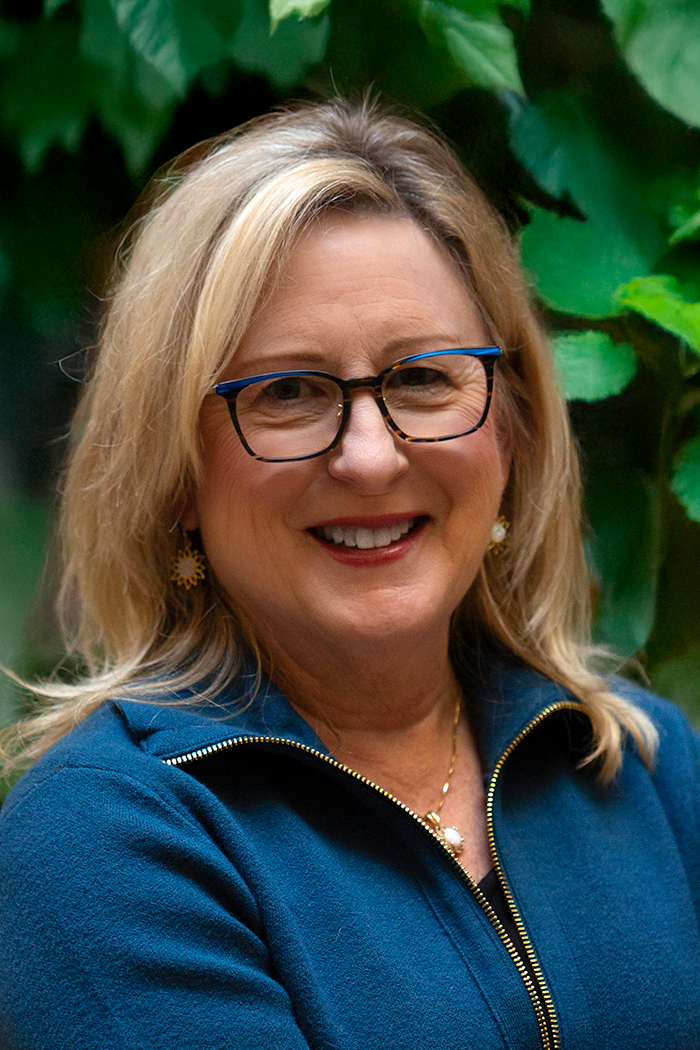
CEO and Author
Kathleen Harnish McKune, MBA
Kathleen Harnish McKune’s professional and personal work has always focused on empowering others. Professionally, she is co-founder and CEO of TeamTech, LLC, a Kansas City-based strategic facilitation and leadership training firm whose work embodies trauma-informed principles. Over the past 30 years, she has worked with two Kansas governors, most Kansas state agencies, many of the county governments in the state as well as nonprofits – all of whom serve the most vulnerable in our communities. She is one of the authors of TeamTech’s leadership curriculum, “Everyone A Leader®,” teaching trauma-informed facilitative leadership skills at all levels of organizations.
Kathleen first conceived of the concept for Remarkably Resilient when she completed the ACEs (Adverse Childhood Experiences) questionnaire in April 2017. It was a life-changing moment that led her to study, write and eventually create Remarkably Resilient, Inc. (founded on November 27, 2024). Kathleen serves as the organization’s CEO and presents Remarkably Resilient Together® workshops with her sister, Karen Dickson, and others. Kathleen is driven to use her lived experience and extensive understanding of the neuroscience of trauma to help all humans strengthen their resilience.
Kathleen served four non-consecutive years on the Board of Friends of Johnson County Mental Health Center. She volunteers with Johnson County Corrections and the Kansas Department of Corrections teaching emotional regulation and self-care with the Remarkably Resilient Together mate… Read More
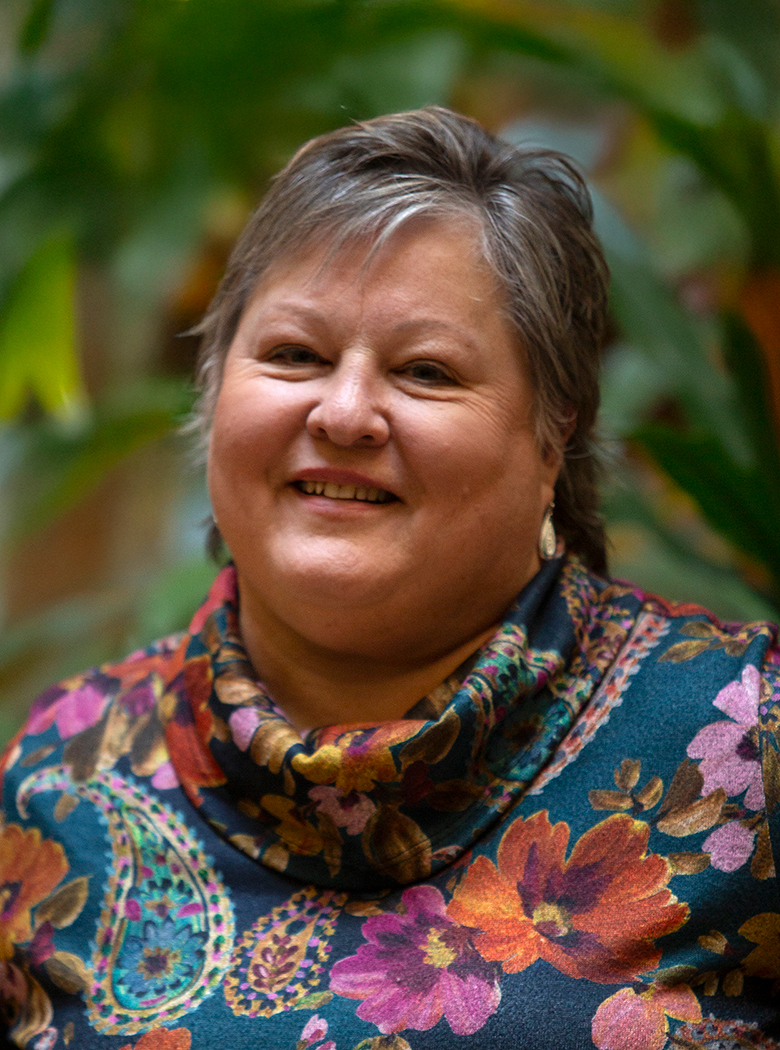
Author and Program Director
Karen Dickson is co-author of the book, “Remarkably Resilient-Community Matters,” along with her two sisters. She is a former EMT/ER technician and is retired from a corporate IT and engineering recruitment position. She serves as the part-time Program Director for Remarkably Resilient, Inc.
Karen brings relatability to audiences through her lived experience of sexual and emotional abuse, teaching us that there is no single pathway to recovery. Her work as an EMT/ER technician helps her connect quickly with others in occupations where empathy-based trauma exists. She worked with her sister, Kathleen Harnish McKune, to develop the Remarkably Resilient Together (RRT) cards and Reflective Journal, and regularly helps facilitate RRT presentations. During these workshops, Karen teaches people about the importance of emotional regulation and self-care in their trauma recovery journeys. As a HOPE (Healthy Outcomes from Positive Experiences) certified trainer, Karen focuses on positive experiences that can counteract the harmful effects of adverse childhood experiences.
Karen also is a practicing Reiki Master. Her dream is to help people around the country heal from past traumas, and to mitigate the physical and mental harm done to children during their formative years.